
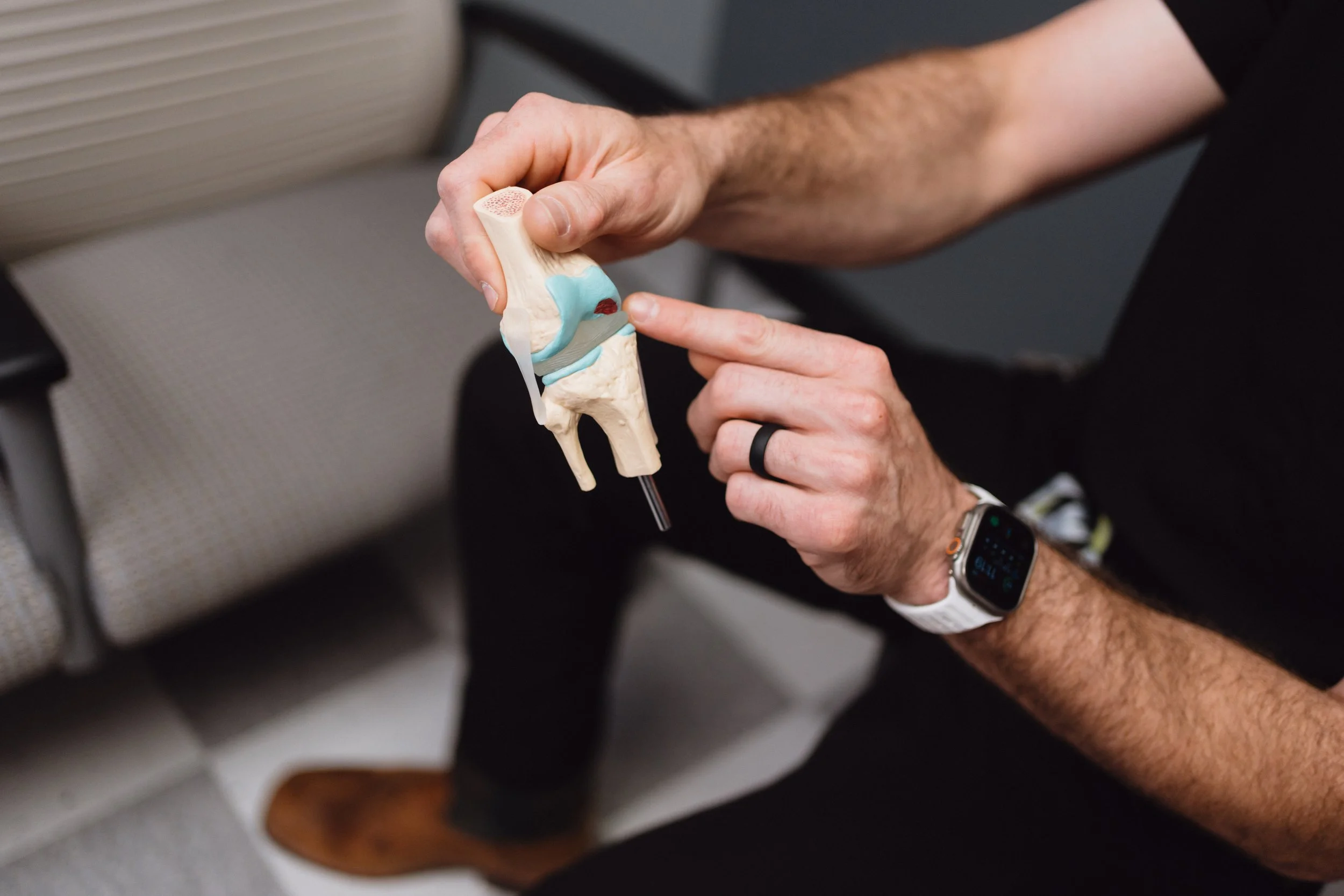
Bursitis in San Antonio
What Is Bursitis?
Bursitis is the inflammation of a bursa, a small sac filled with fluid that reduces friction between moving parts in a joint. These sacs act as cushions between bones, tendons, and muscles, allowing joints to move smoothly.
When a bursa becomes irritated due to overuse, pressure, or injury, it can swell and become painful. This inflammation limits normal movement and can make even simple activities uncomfortable.
Bursae are located throughout the body, but bursitis most commonly affects major joints such as the shoulder, hip, and knee, where repeated motion or stress is more likely.
Common Types of Bursitis
-
Bursitis of the Hip
Bursitis of the hip, often called trochanteric bursitis, causes pain along the outside of the hip. This pain may worsen when walking, climbing stairs, or lying on the affected side.
-
Bursitis of the Knee
Bursitis of the knee can develop in the front or inside of the knee. It is often associated with repetitive kneeling or direct pressure and may cause visible swelling and tenderness.
-
Bursitis of the Shoulder
Bursitis of the shoulder can limit arm movement and cause pain when lifting or reaching. It is commonly associated with overuse, rotator cuff issues, or repetitive overhead activity.
common causes of bursitis
Bursitis is typically caused by irritation or repeated stress on a joint. Over time, this stress leads to inflammation of the bursa and the development of pain and swelling.
Common causes include:
Repetitive motion or overuse from work, sports, or daily activities
Prolonged pressure on a joint, such as frequent kneeling or leaning
Acute injury or trauma to the joint
Poor posture or improper movement patterns
Underlying conditions such as arthritis or joint degeneration
Certain occupations and lifestyles increase the risk of bursitis, particularly those involving repetitive movement or sustained pressure on specific joints.
common symptoms of Bursitis
Bursitis symptoms can vary depending on the location and severity of inflammation. Some patients experience mild discomfort, while others develop more significant pain that interferes with daily activities.
Common bursitis symptoms include:
Joint pain that worsens with movement or pressure
Localized swelling around the joint
Tenderness when touching the affected area
Stiffness or reduced range of motion
Warmth or redness over the joint
In some cases, bursitis symptoms may develop slowly due to repetitive stress. In others, symptoms can appear suddenly following an injury or an increase in activity.
TREATMENT OPTIONS FOR Bursitis
Treatment for bursitis focuses on reducing inflammation, relieving pain, and restoring normal joint function. Most cases can be managed with non-surgical care.
Non-Surgical Treatment
Many patients improve with conservative treatments such as:
Activity modification to reduce stress on the joint
Anti-inflammatory medications to manage pain and swelling
Targeted rehabilitation to improve strength and flexibility
Corticosteroid injections to reduce inflammation and provide relief
These treatments are often highly effective, especially when started early.
Advanced Treatment Options
For patients with persistent or recurring bursitis, additional treatment strategies may be recommended. These approaches focus on addressing underlying biomechanical issues and preventing future flare-ups.
Your provider may adjust your treatment plan based on your response and long-term goals.
Surgical Treatment
Surgery for bursitis is rarely required but may be considered if symptoms do not improve with conservative care. This typically involves removing the inflamed bursa to relieve pain and restore movement.
Surgical decisions are made carefully and only when necessary.



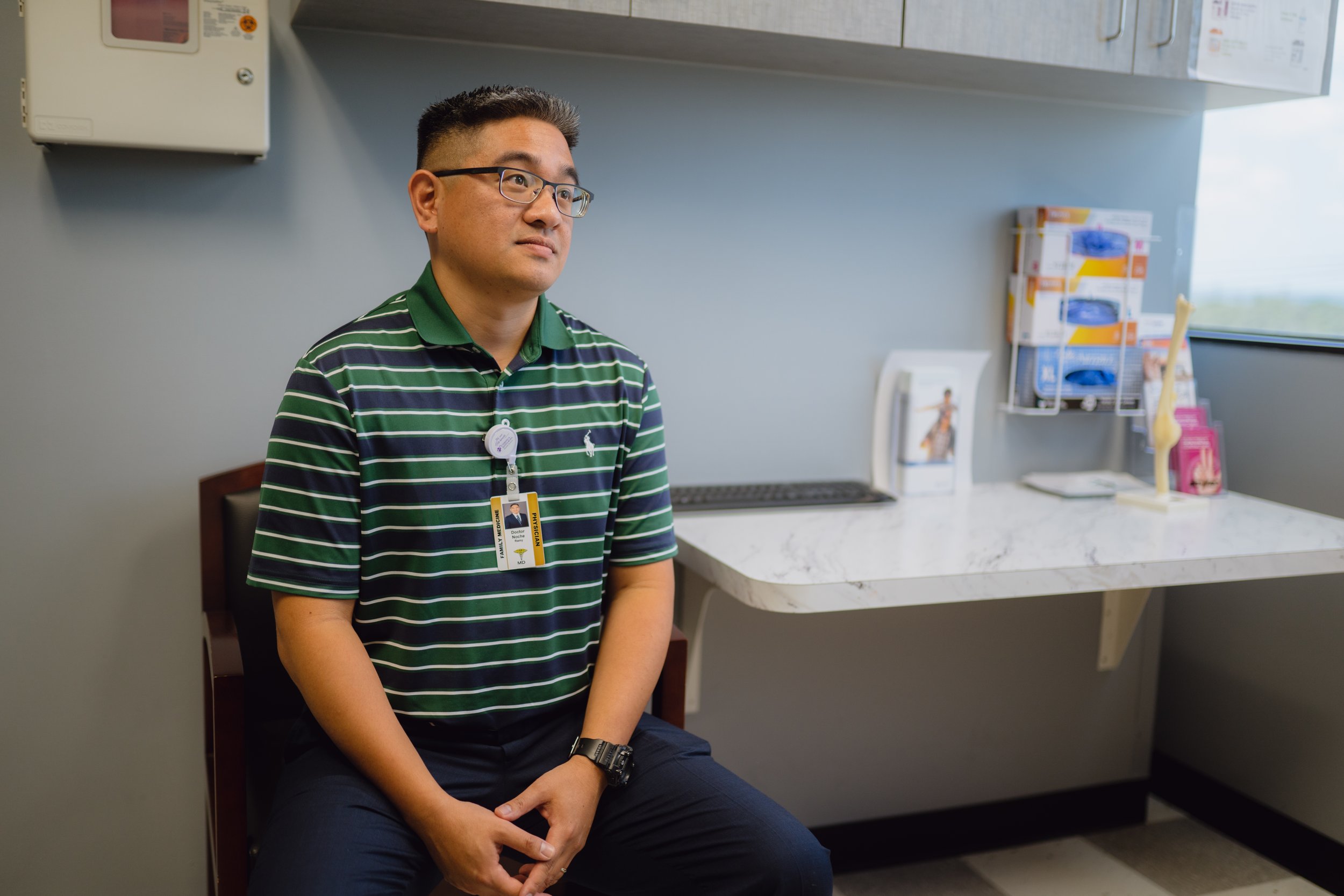
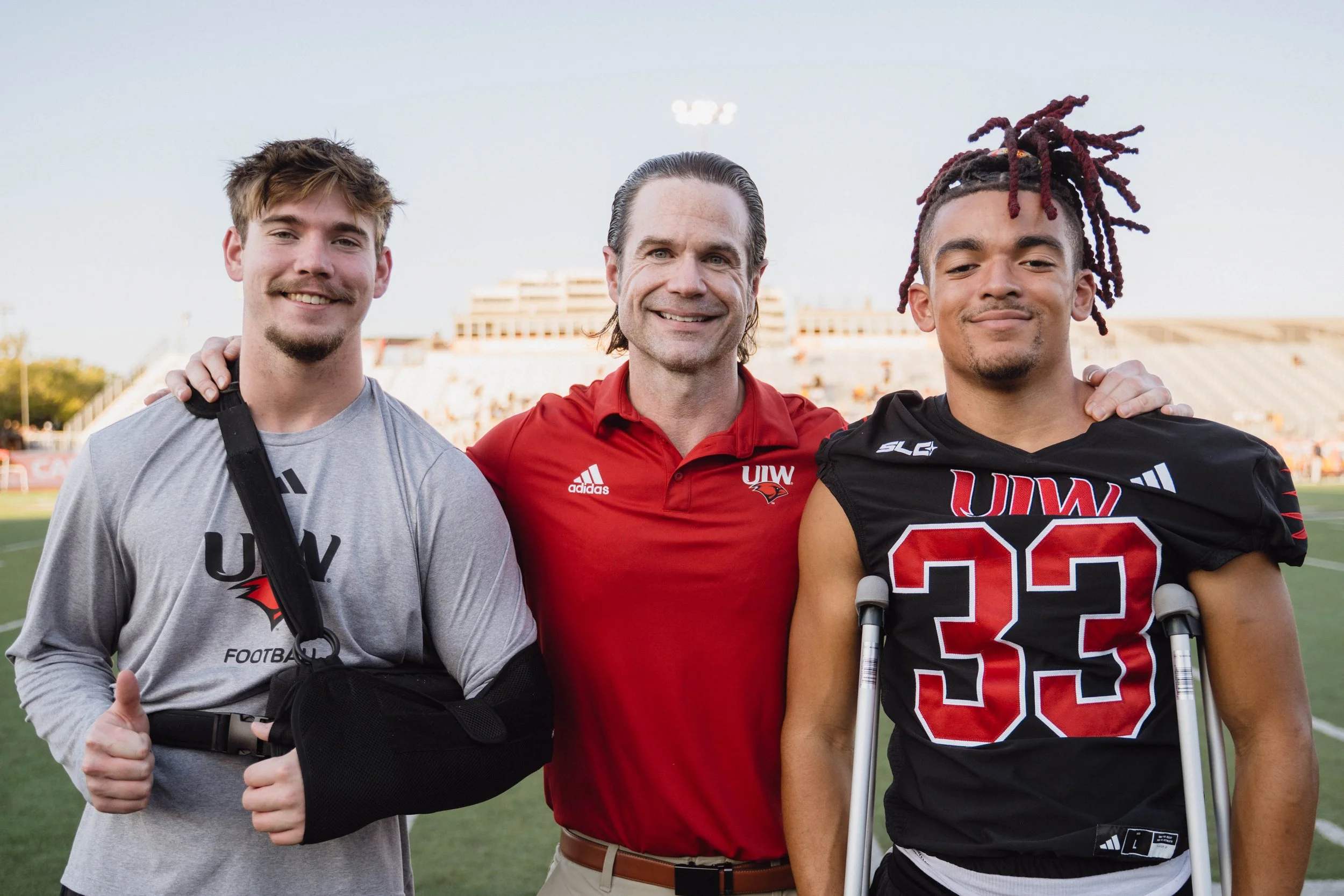









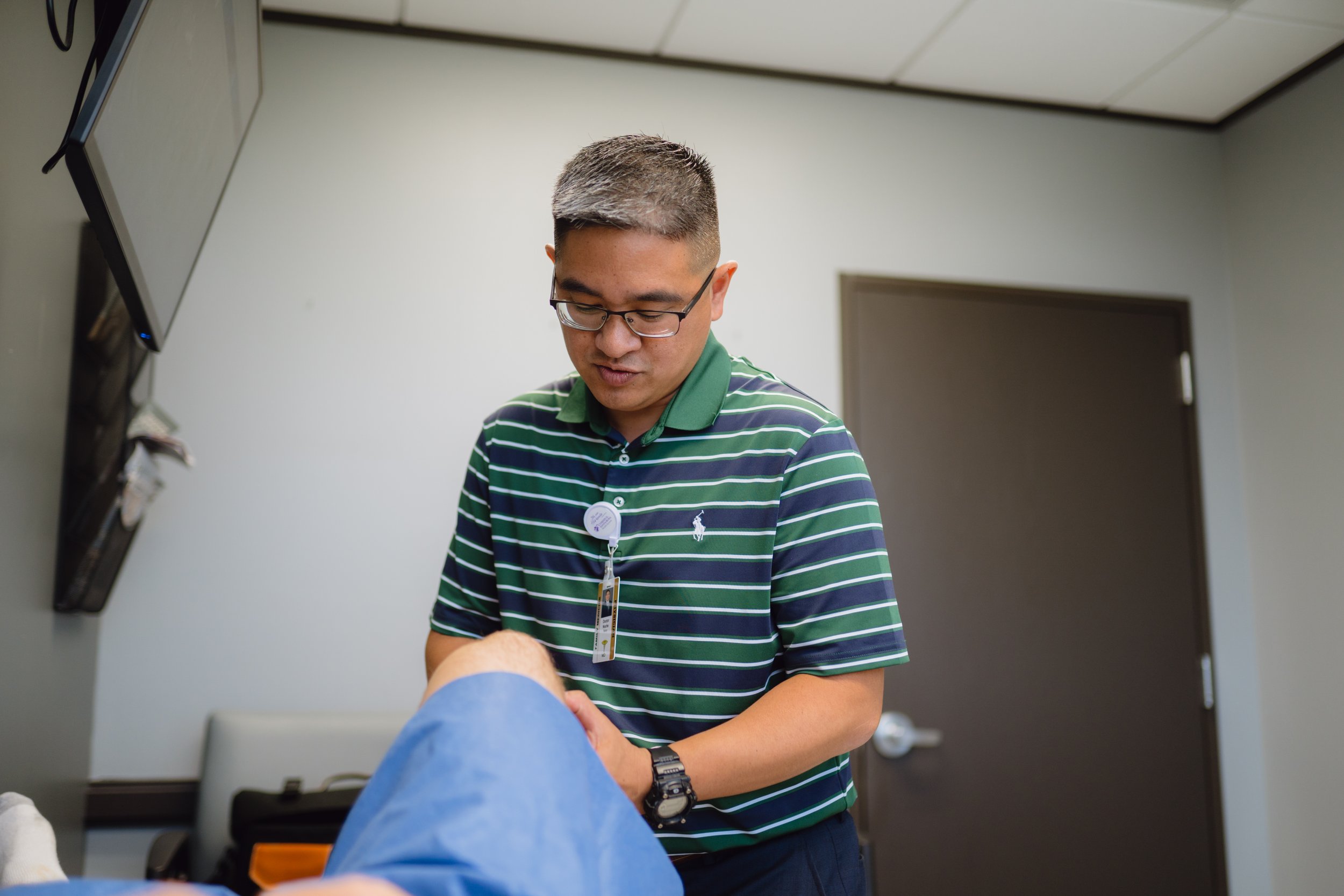
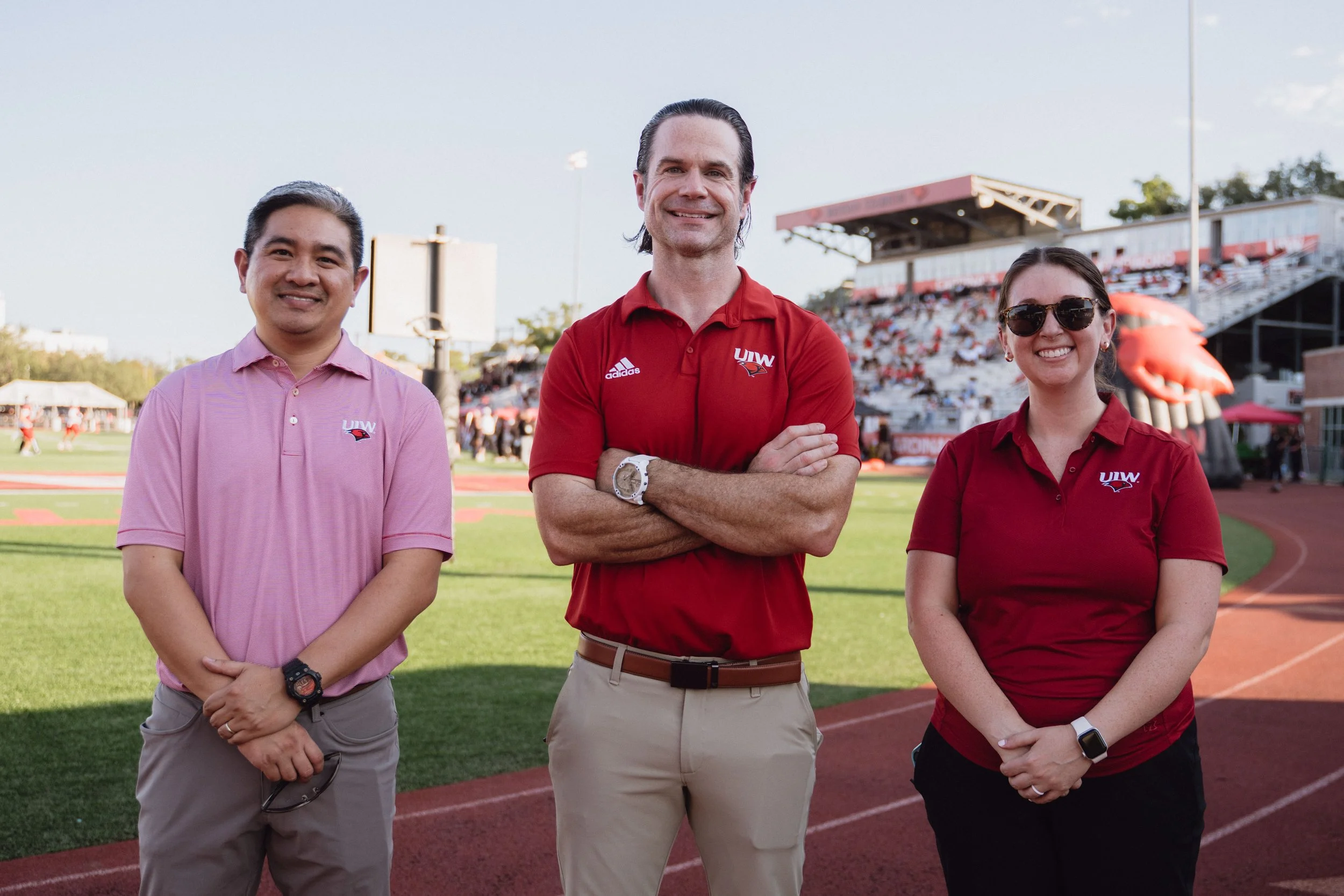

MEET OUR SPORT MEDICINE PHYSICIANS
-

Dr. Matthew Murray
-

Dr. Travis Burns
-

Dr. Jesse Delee
-

DR. RAMY NOCHE
-

Dr. Samantha Baginski-Prewitt
Our Locations
-

Alamo Heights
Address: 423 Treeline Park, Suite 350, San Antonio, TX 78209
-

Westover Hills
Address: 11212 State Highway 151, Medical Plaza 1, Suite 200, San Antonio, TX 78251
-

Medical Center
ADDRESS: 2833 Babcock Rd, Tower 2, Suite 435, San Antonio, TX 78229
-

Boerne
ADDRESS: 138 Old San Antonio Rd, Suite 302, Boerne, TX 78006
-

Castroville
Address: 346 County Road 4712, Castroville, TX 78009
-

Piedras
ADDRESS: 4100 E. Piedras, Suite 165, San Antonio, TX 78228
-

Schertz
Address: 6051 FM 3009, Suite 260, Schertz, TX 78154
-
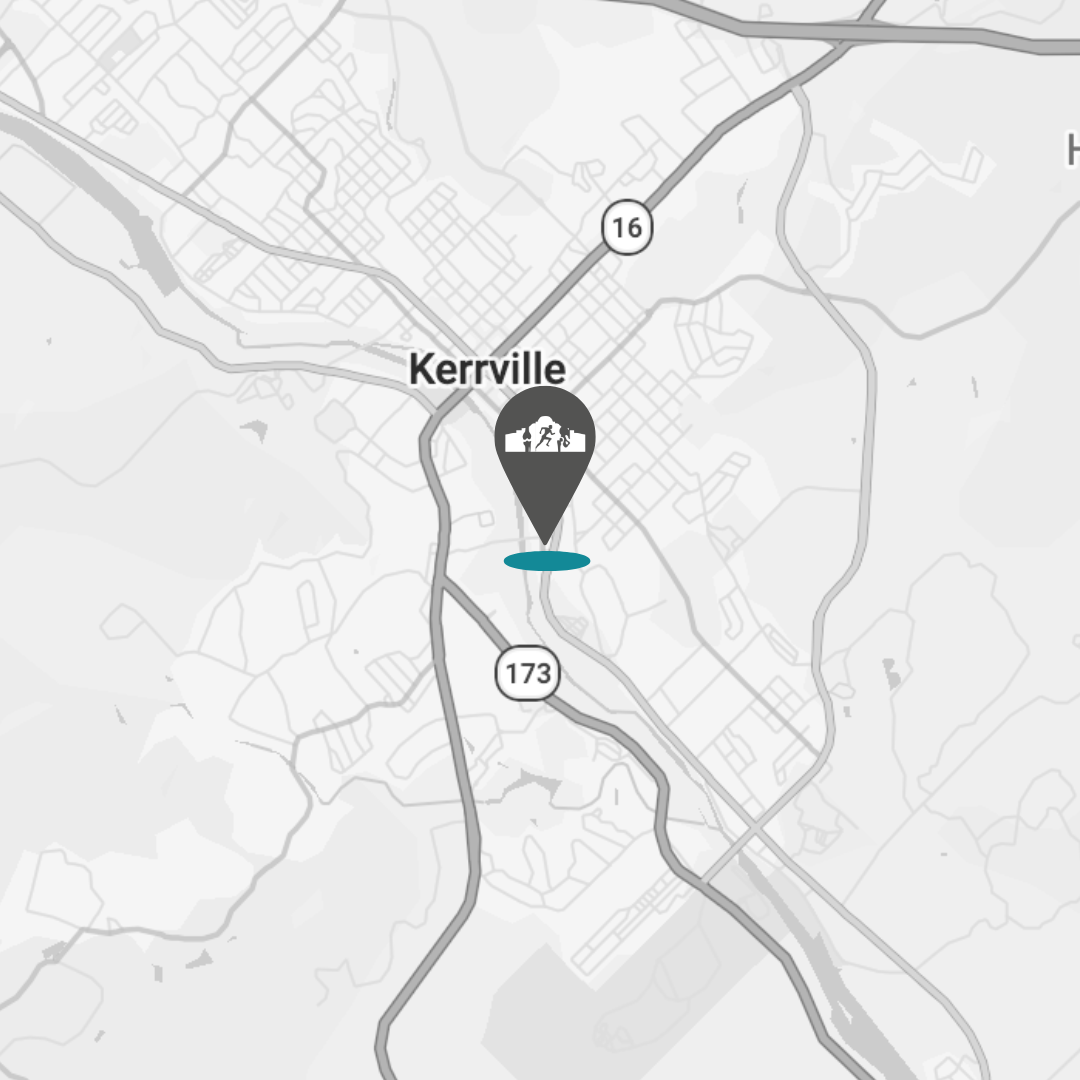
kerrville
Address: 1001 Water Street, Suite E100, Kerrville, Texas 78028
Need To Schedule an Appointment with a Sports Medicine physician?
