
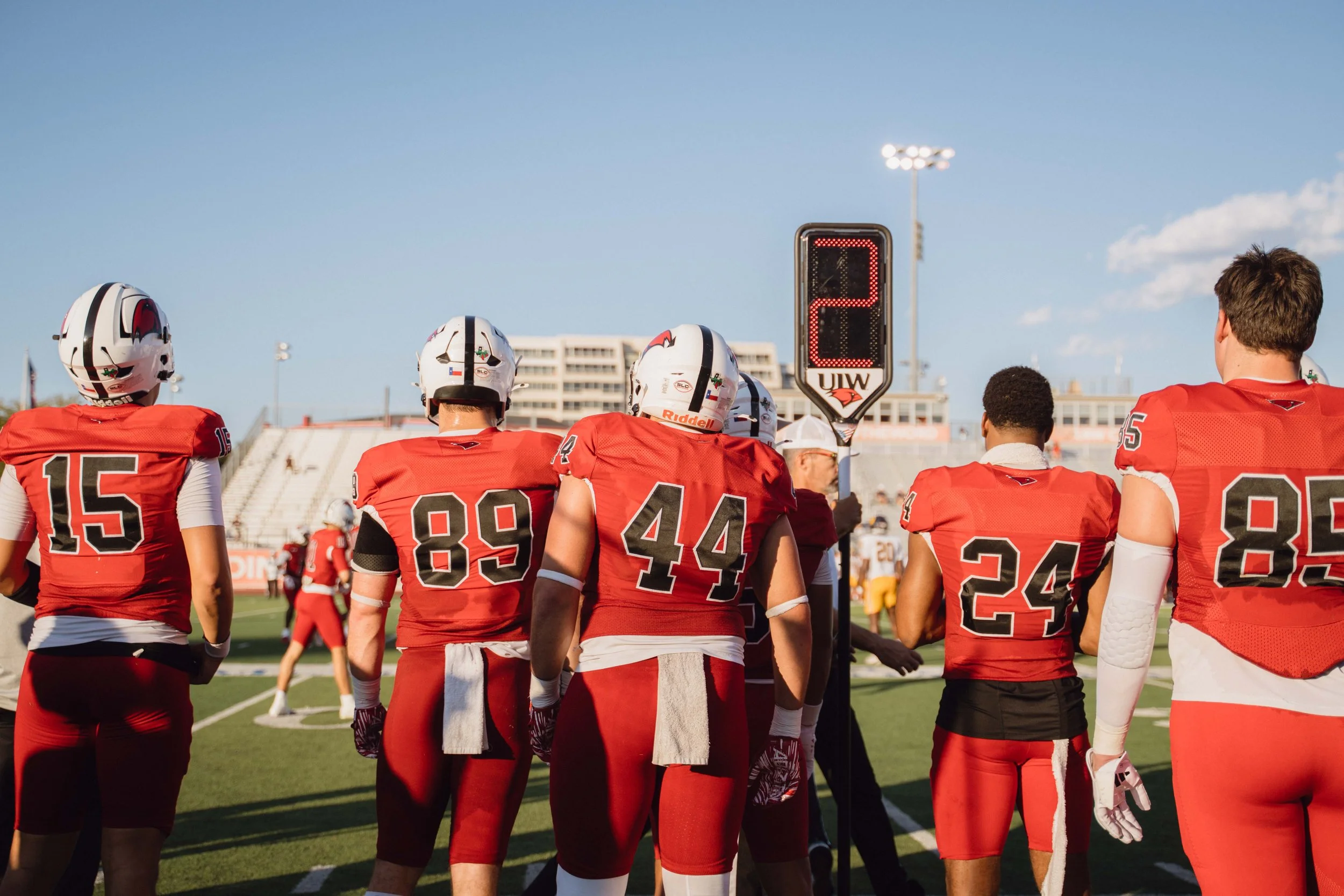
Contusion Treatment in San Antonio
Expert Sports Medicine Care for Bruises and Deep Tissue Injuries
What Is A Contusion?
A contusion happens when a direct blow or impact injures the small blood vessels beneath the skin without breaking it. Blood leaks into the surrounding tissue, causing the discoloration, swelling, and tenderness most people recognize as a bruise.
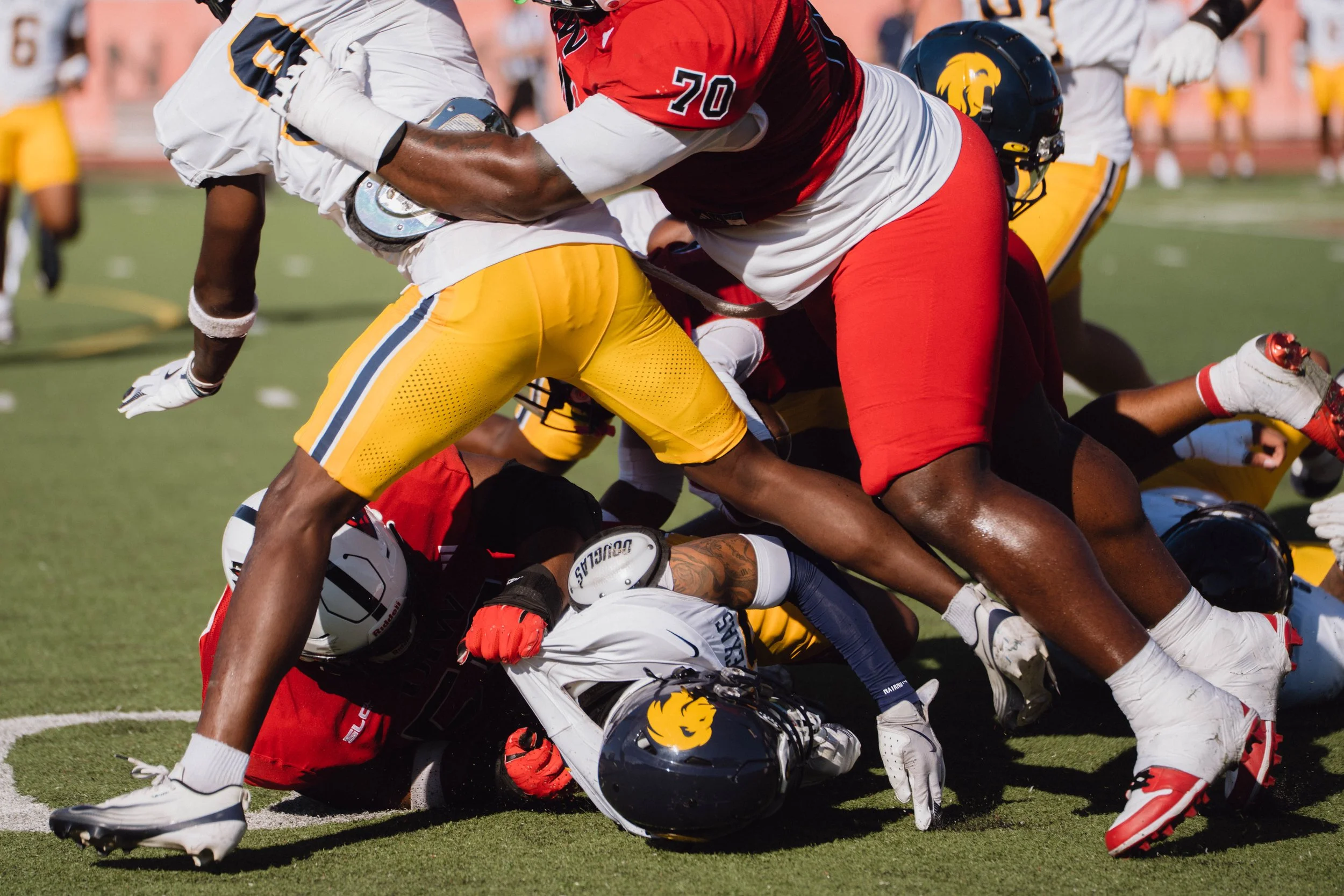
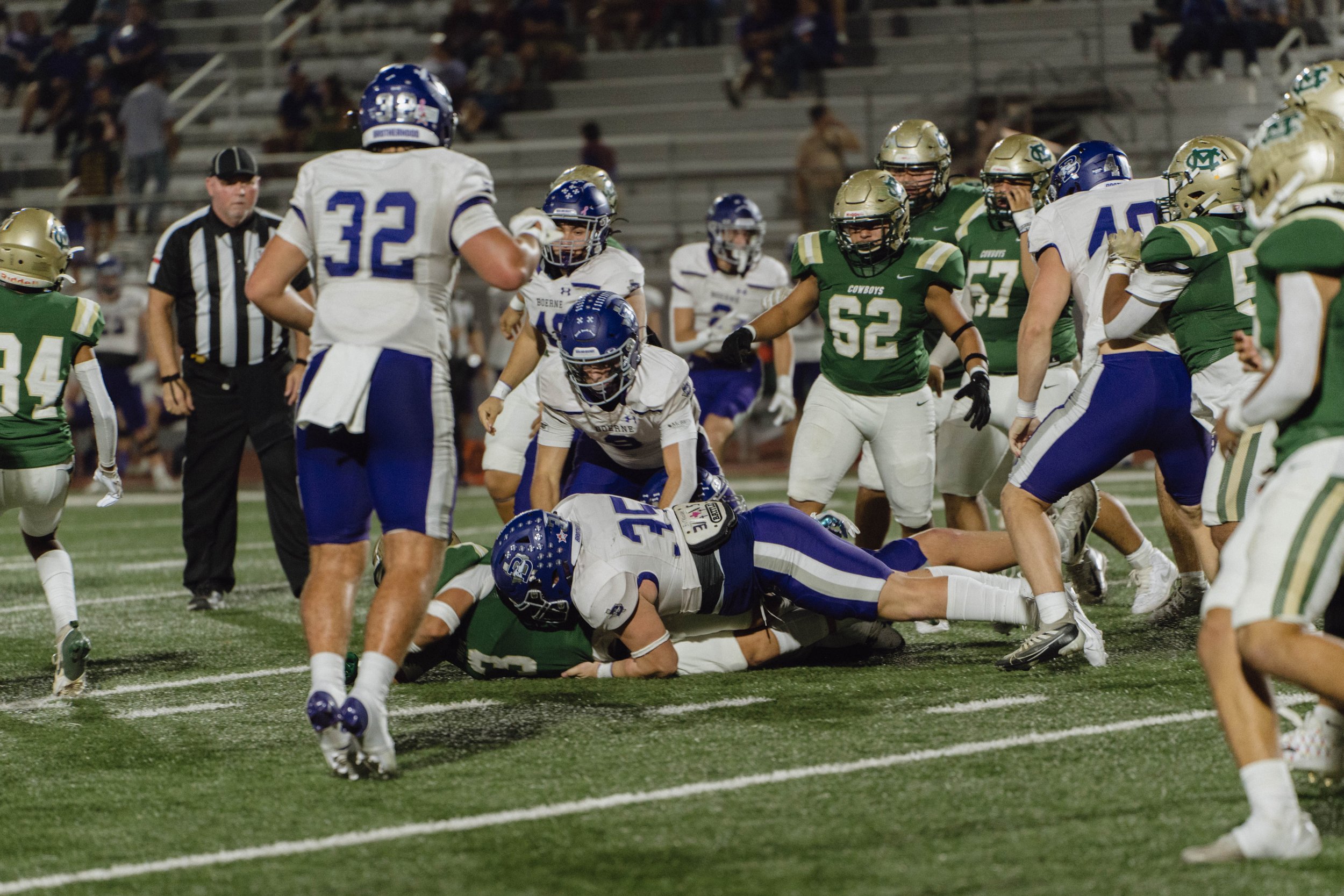
Contusions can affect the skin, muscle, or even bone. Muscle contusions are especially common in contact sports like football, soccer, and basketball, where a direct hit to the thigh, calf, or shoulder can damage muscle fibers beneath the surface. These deeper injuries often take longer to heal than a simple skin bruise and require a proper sports medicine evaluation to rule out more serious injury.
Contusions often result from routine contact, many athletes try to play through them. This is one of the most common reasons a minor contusion turns into a lingering problem.
Common Causes of Contusions in Athletes
Contusions are among the most frequent injuries seen in sports medicine, especially heading into a new school sports season. Common causes include:
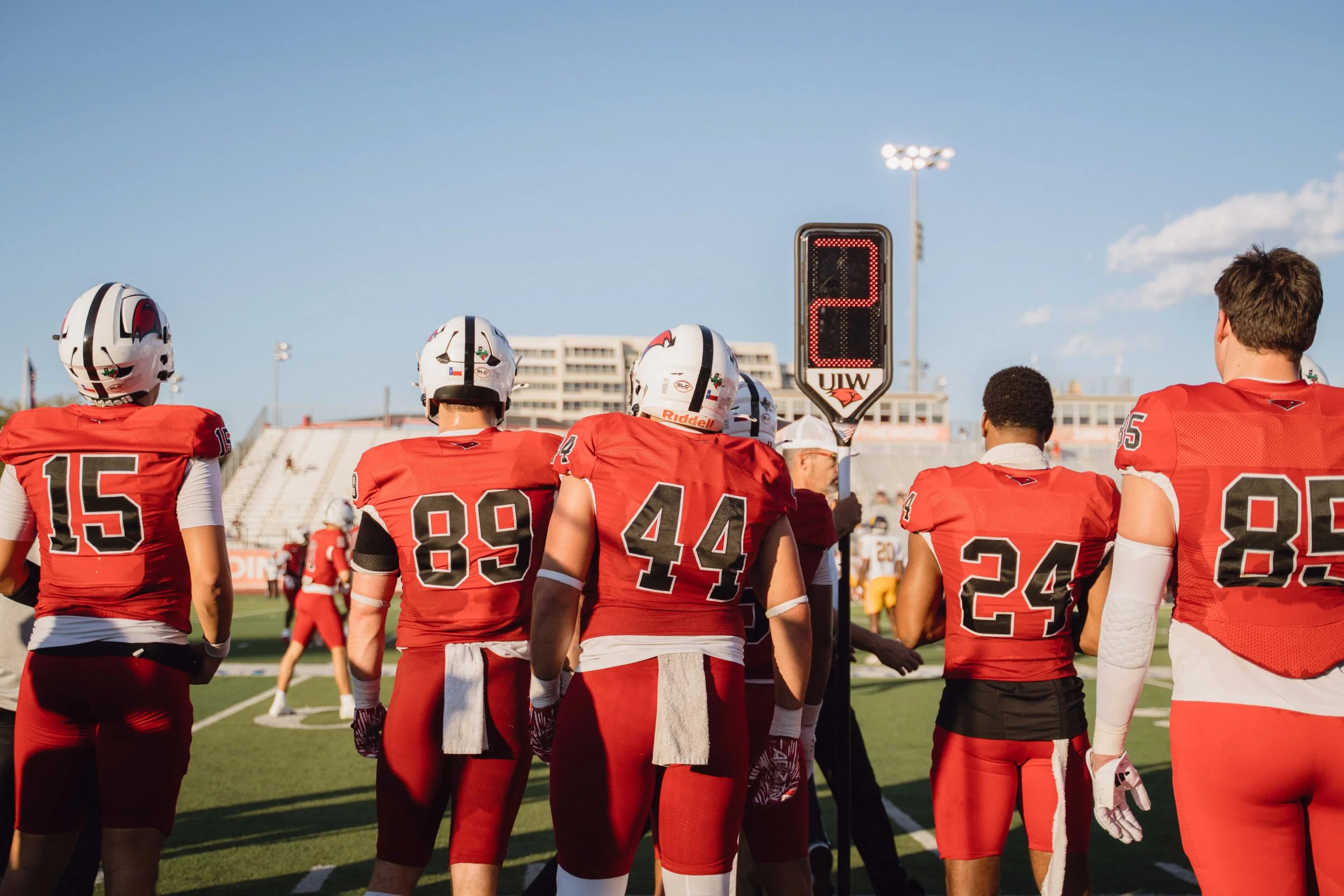
Direct contact with another player, such as a helmet-to-thigh hit in football
Falls onto hard surfaces during soccer, basketball, or gymnastics
Being struck by sports equipment, such as a bat, ball, or stick
Collisions during practice drills or scrimmages
Repetitive impact in contact sports over the course of a season
Because contusions often result from routine contact, many athletes try to play through them. This is one of the most common reasons a minor contusion turns into a lingering problem.











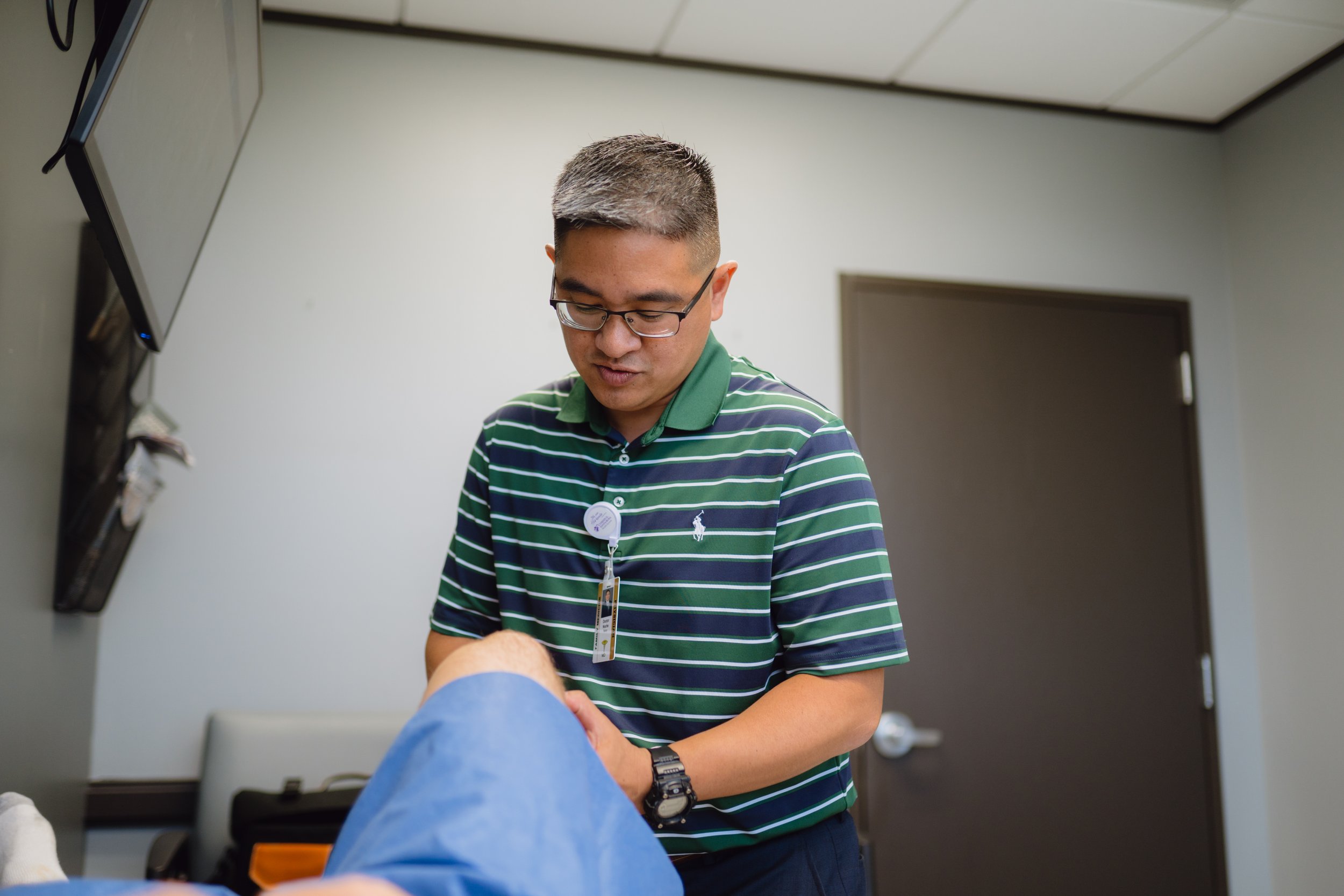

Symptoms of a Contusion
Symptoms vary depending on how deep the injury goes, but athletes and parents should watch for:
Discoloration that changes from red to purple, blue, green, and yellow as it heals
Swelling or a firm knot at the site of impact
Pain or tenderness when the area is touched or used
Limited range of motion in the affected muscle or joint
Stiffness that worsens after rest, such as the morning after an injury
In more serious cases, a hard mass that develops under the skin days after the injury
That last symptom is important. A hard lump that forms after a deep muscle contusion can be a sign of a complication called myositis ossificans, where bone tissue begins to form within the muscle. This is one of several reasons a proper evaluation matters, especially for contusions that do not improve within a few days.
How Are Contusions Diagnosed?
Most contusions can be assessed with a physical exam, but our sports medicine physicians take a thorough approach to ensure there isn't a more significant injury beneath the surface. During your visit, we'll discuss how the injury occurred, when your symptoms began, and how they've progressed. We'll also perform a comprehensive physical examination to evaluate swelling, tenderness, range of motion, strength, and your body's response to movement.
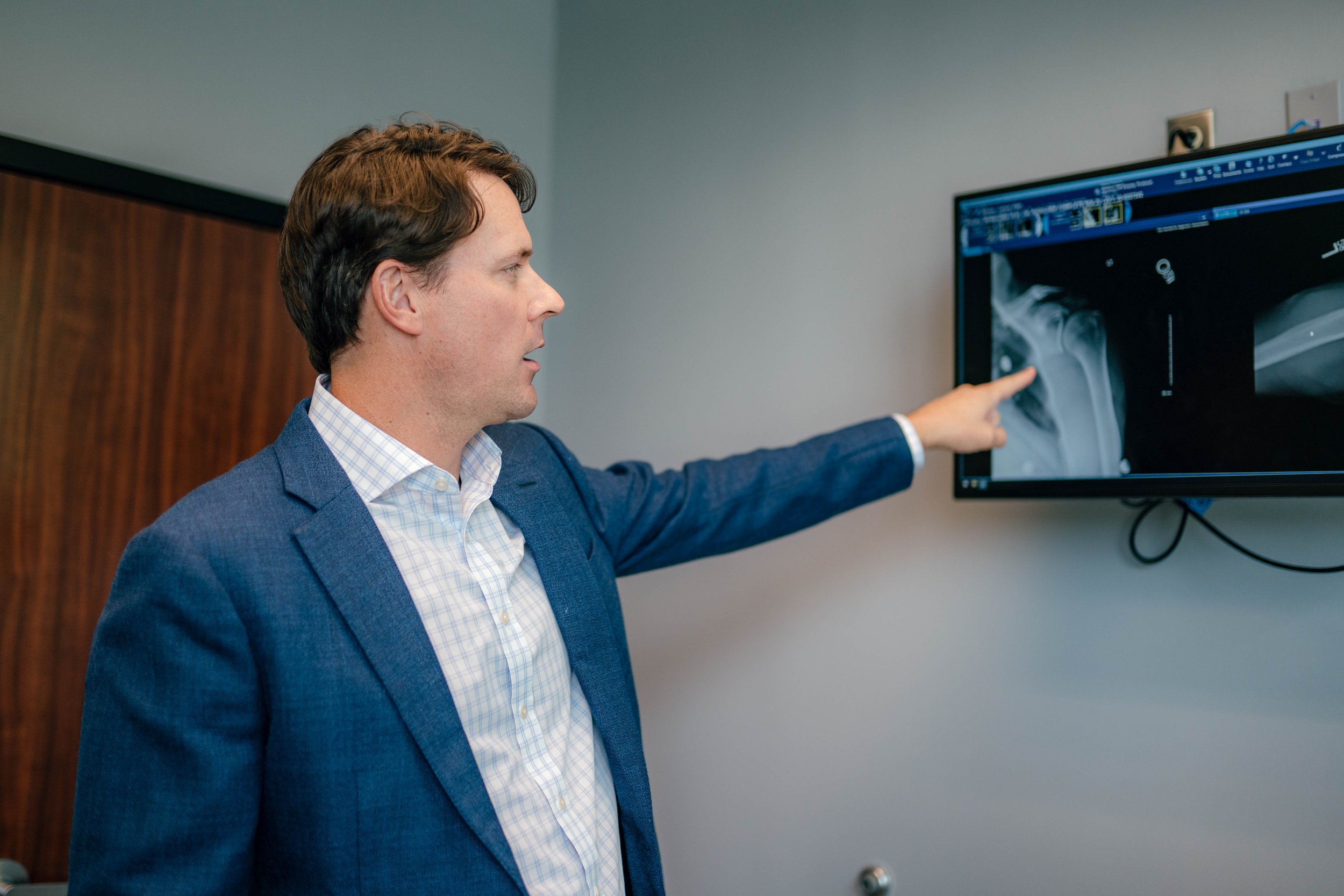
If needed, imaging studies may be recommended to confirm the diagnosis or rule out other injuries. X-rays are commonly used to check for fractures, while ultrasound can help evaluate muscle damage. In certain cases, particularly when a deep muscle contusion isn't healing as expected, or symptoms persist, an MRI may be ordered to provide a more detailed view of the injured tissues.
This thorough evaluation is important because what appears to be a simple bruise can sometimes conceal a more serious injury, such as a fracture, muscle tear, or, in rare cases, compartment syndrome, a condition where swelling creates dangerous pressure within the muscle. Identifying the true cause of your pain early allows us to recommend the most effective treatment plan and help you return to your normal activities as safely as possible.
Treatment Options For Contusion
Frequently Asked Questions About Contusions
-
Minor bruises often heal within one to two weeks. Deeper muscle contusions can take several weeks to a few months, depending on severity and how well the injury is managed early on.
-
See a sports medicine physician if the area is severely swollen, painful to bear weight on, not improving after a few days, or if a hard lump develops under the skin.
-
Yes. Deep muscle contusions can sometimes be mistaken for minor bruises but may involve significant muscle damage or lead to complications that require medical evaluation.
-
This depends on the severity and location. A sports medicine evaluation can determine whether it is safe to continue activity or if rest and treatment are needed first.
-
Not always. Imaging is typically used when the injury is severe, not improving, or when there is concern about a fracture or deep muscle damage.
MEET OUR SPORT MEDICINE PHYSICIANS
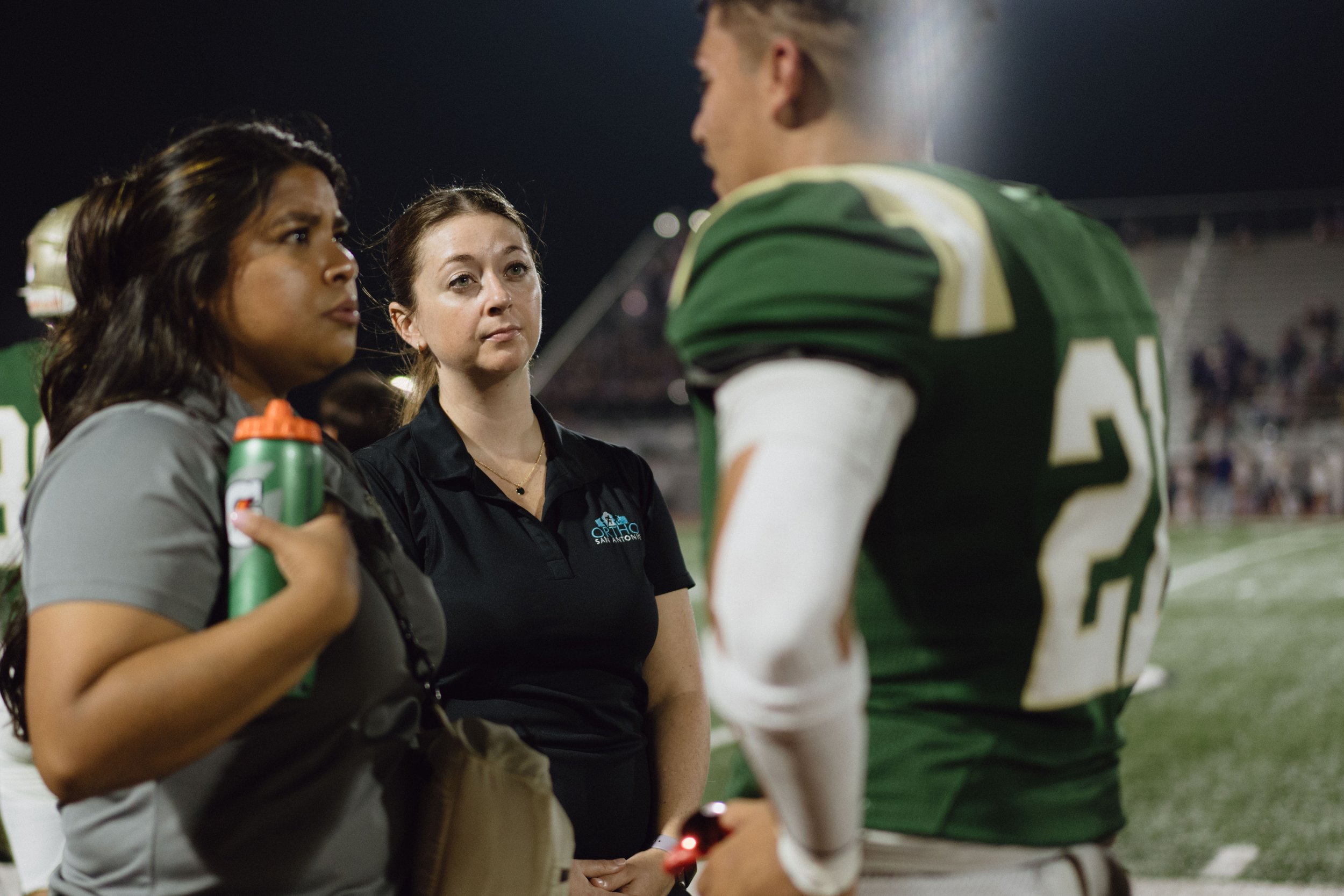
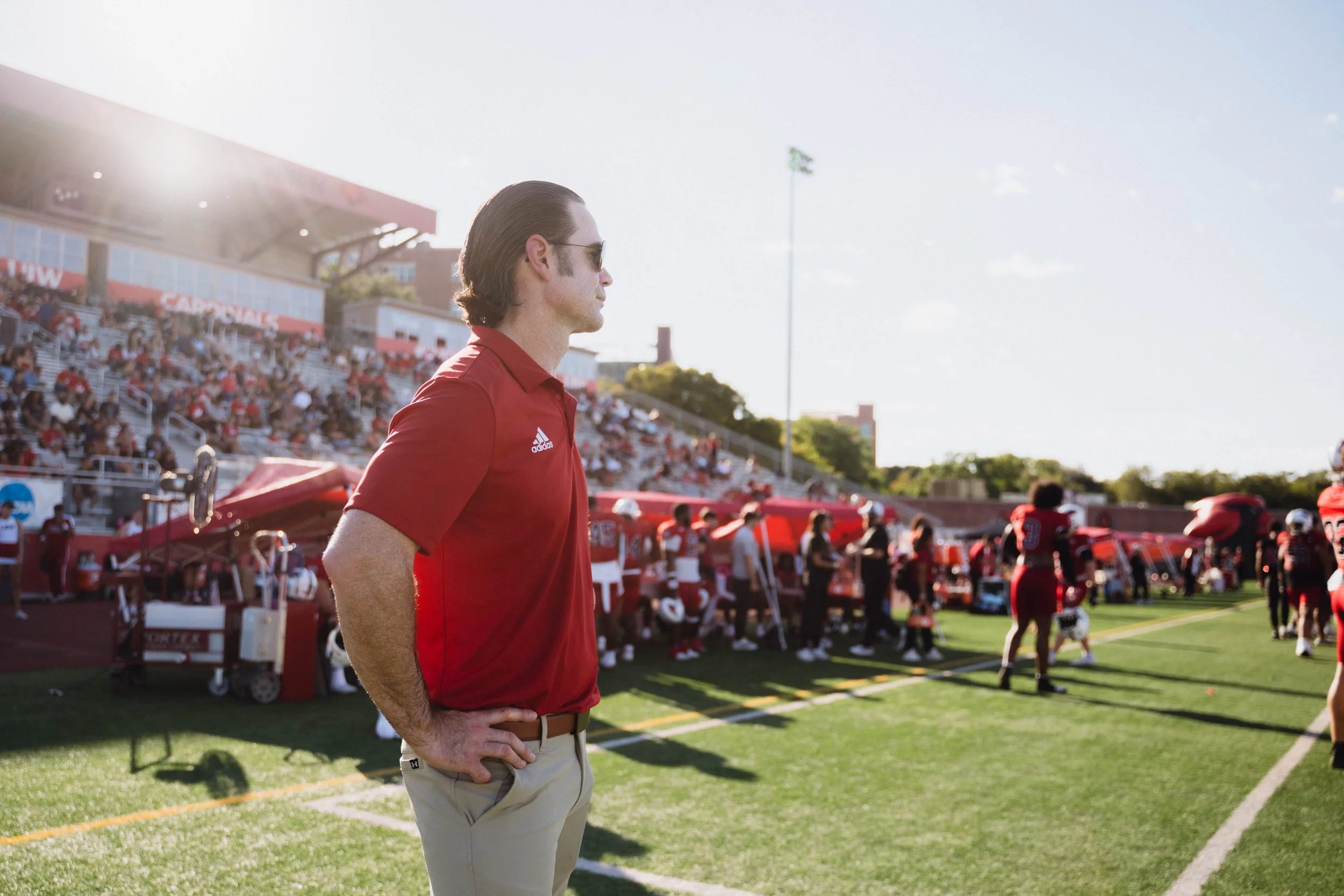
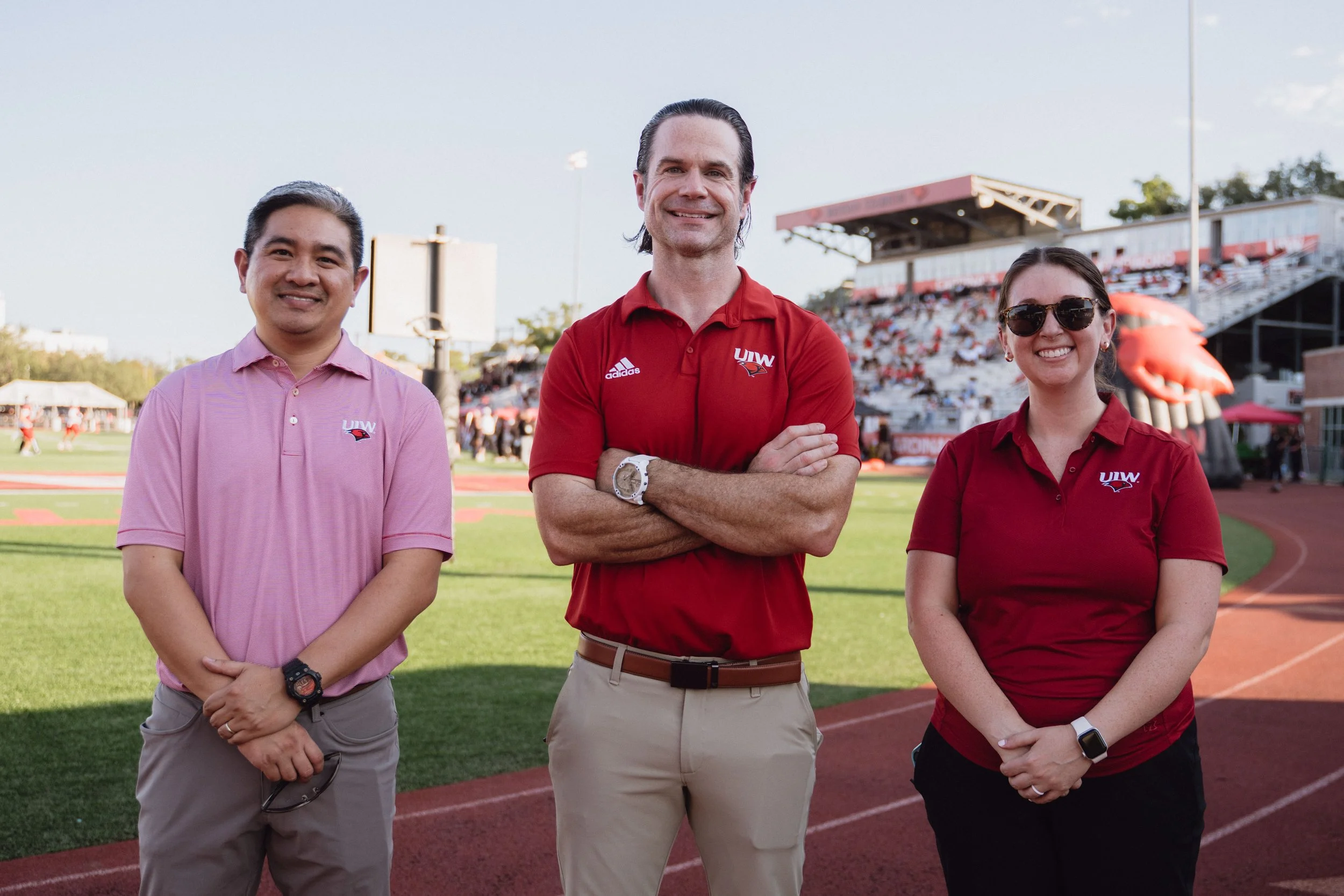
Our sports medicine physicians serve as the official orthopedic providers for San Antonio's professional and collegiate sports teams. That means sideline-tested experience evaluating and treating contusions and other sports-related injuries, helping athletes recover safely and return to play with confidence. We bring that same level of expert care to every patient, from weekend warriors to lifelong athletes.
-
![Dr. Murray - Sports Medicine Physician in San Antonio]()
Dr. Matthew Murray
-
![Dr. Burns - Sports Medicine Physician in San Antonio]()
Dr. Travis Burns
-
![Dr. Delee - Sports Medicine Physician in San Antonio]()
Dr. Jesse Delee
-
![Dr. Noche - Sports Medicine Physician in San Antonio]()
DR. RAMY NOCHE
-
![sports medicine in san antonio at ortho san antonio]()
Dr. Samantha Baginski-Prewitt





Our Locations
-

Alamo Heights
Address: 423 Treeline Park, Suite 350, San Antonio, TX 78209
-

Westover Hills
Address: 11212 State Highway 151, Medical Plaza 1, Suite 200, San Antonio, TX 78251
-

Medical Center
ADDRESS: 2833 Babcock Rd, Tower 2, Suite 435, San Antonio, TX 78229
-

Boerne
ADDRESS: 138 Old San Antonio Rd, Suite 302, Boerne, TX 78006
-

Castroville
Address: 346 County Road 4712, Castroville, TX 78009
-

Piedras
ADDRESS: 4100 E. Piedras, Suite 165, San Antonio, TX 78228
-

Schertz
Address: 6051 FM 3009, Suite 260, Schertz, TX 78154
-
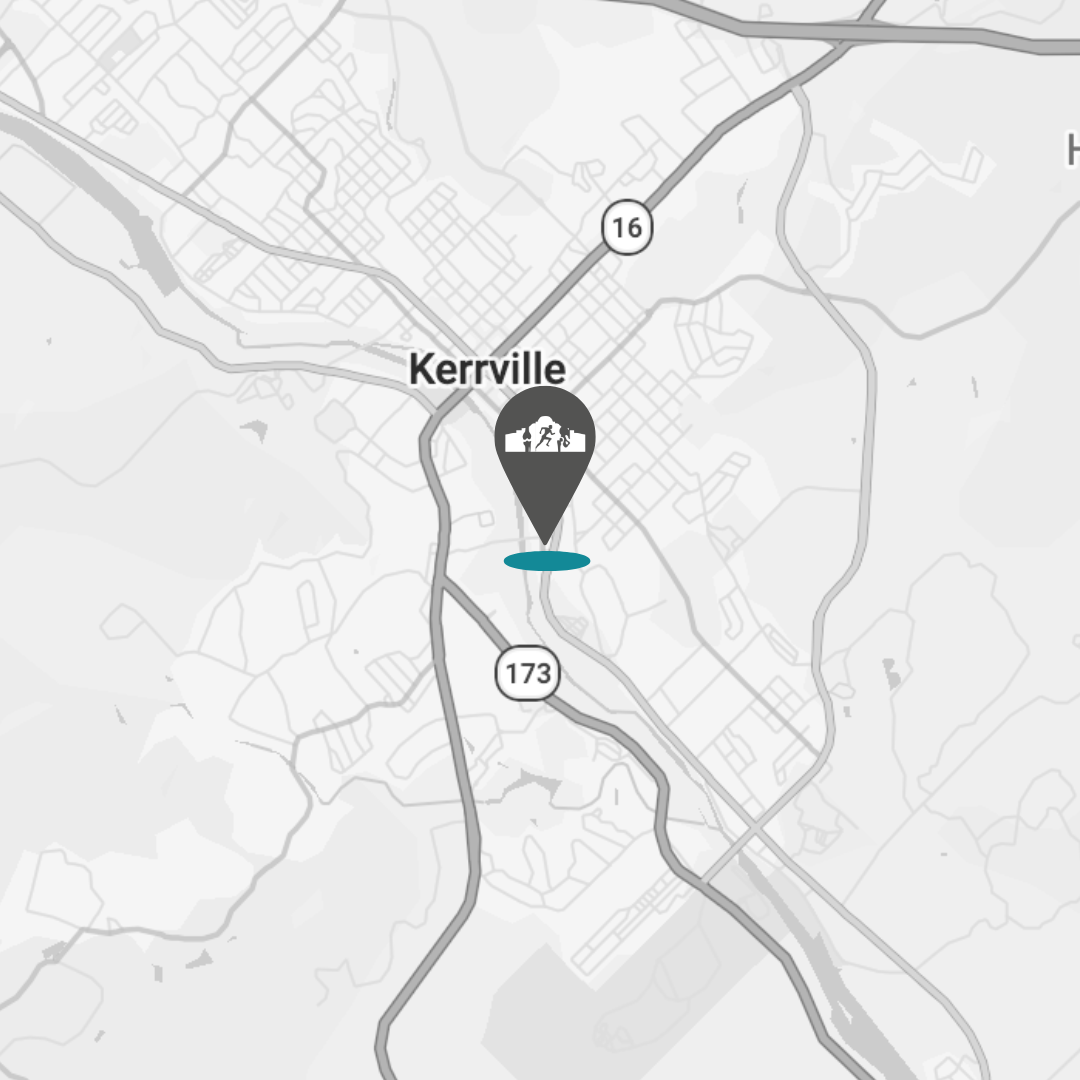
kerrville
Address: 1001 Water Street, Suite E100, Kerrville, Texas 78028
