
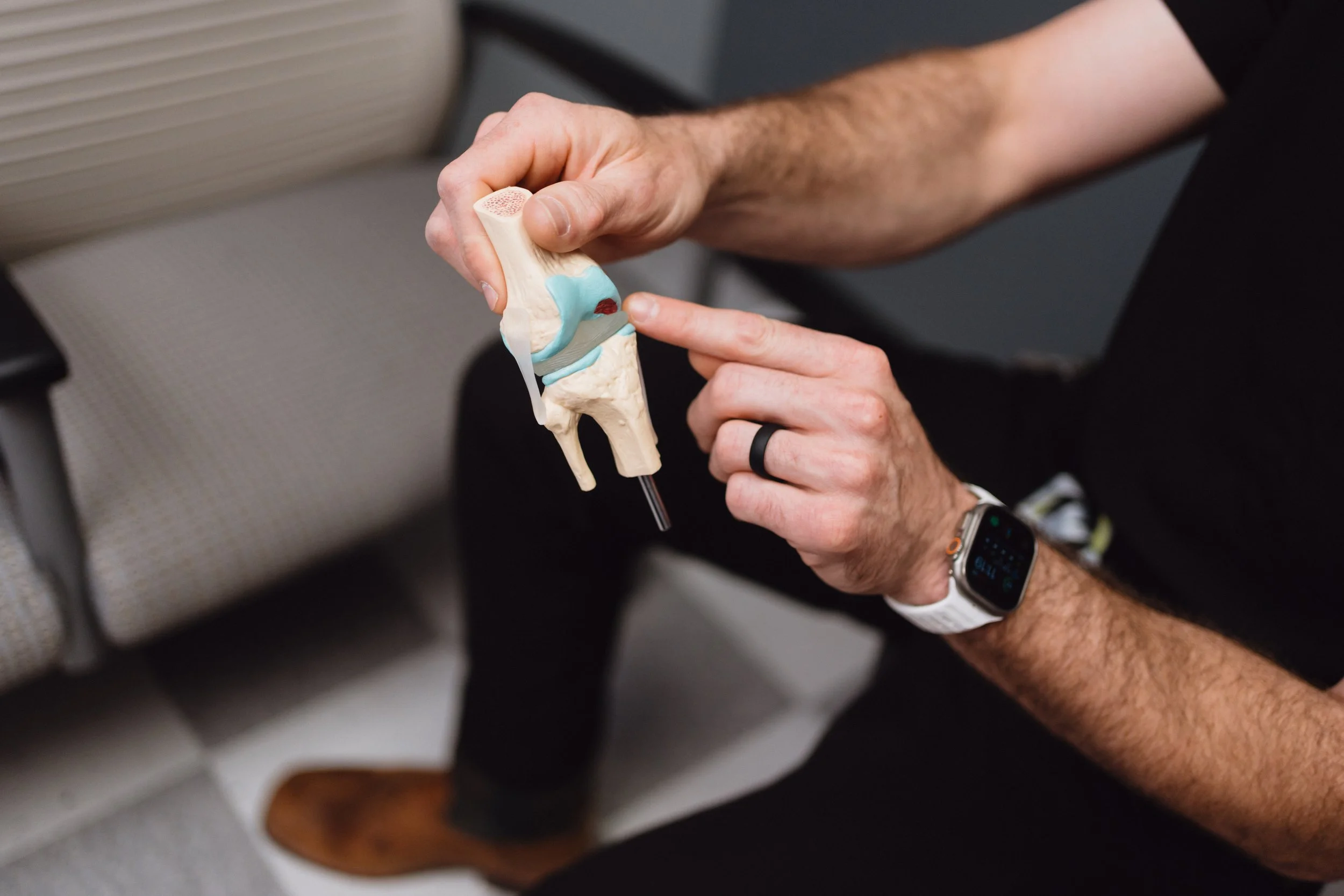
Meniscus Tear Treatment in San Antonio
Sports Medicine Care for Meniscus Tears and Knee Injuries
What Is a Meniscus Tear?
A meniscus tear is a common knee injury involving the cartilage that helps cushion and stabilize the knee joint. Each knee has two menisci located between the thighbone and shinbone, where they help distribute weight and absorb force during walking, running, jumping, and other movements.
Meniscus tears are especially common in athletes, but they can happen to anyone. Some occur suddenly when the knee twists or pivots during activity, while others develop as the meniscus becomes more vulnerable to injury over time. The type, size, and location of the tear can all affect symptoms, treatment options, and meniscus tear recovery.
What Causes Meniscus Tears?
Meniscus tear causes can vary depending on age, activity level, and the health of the knee. In athletes, tears commonly happen during movements that place rotational force on the knee. Other tears may occur gradually as the cartilage changes with age.
Common causes include:
Pivoting or quickly changing direction
Twisting the knee while the foot is planted
Deep squatting or forceful bending
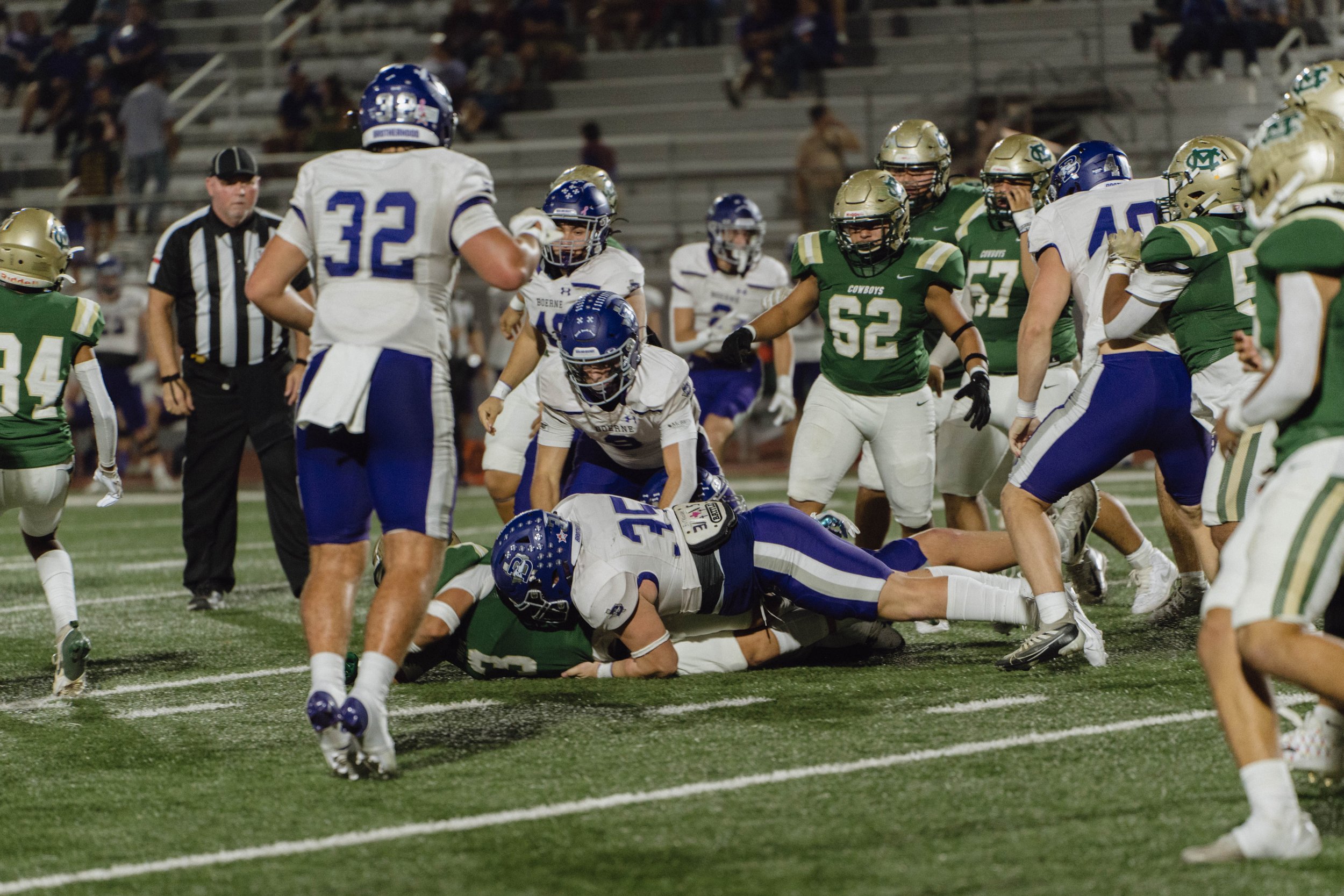
Tackles or contact during sports
Sudden stops and turns
Repetitive stress on the knee
Age-related degeneration of the meniscus
Types of Meniscus Tears

Symptoms of a Meniscus Tear
Some knee soreness after activity is normal. These symptoms signal a possible tear that needs evaluation from a sports medicine specialist, not rest alone.
Pain along the inside or outside of the knee
Knee swelling or stiffness
Pain when twisting or rotating the knee
Catching, clicking, or locking
Difficulty fully bending or straightening the knee
Feeling like the knee may give way
Reduced range of motion
Pain with squatting, running, or changing direction
Persistent pain, swelling, locking, or difficulty moving the knee should be evaluated to determine whether the meniscus or another structure in the knee has been injured.














How Are Meniscus Diagnosed?
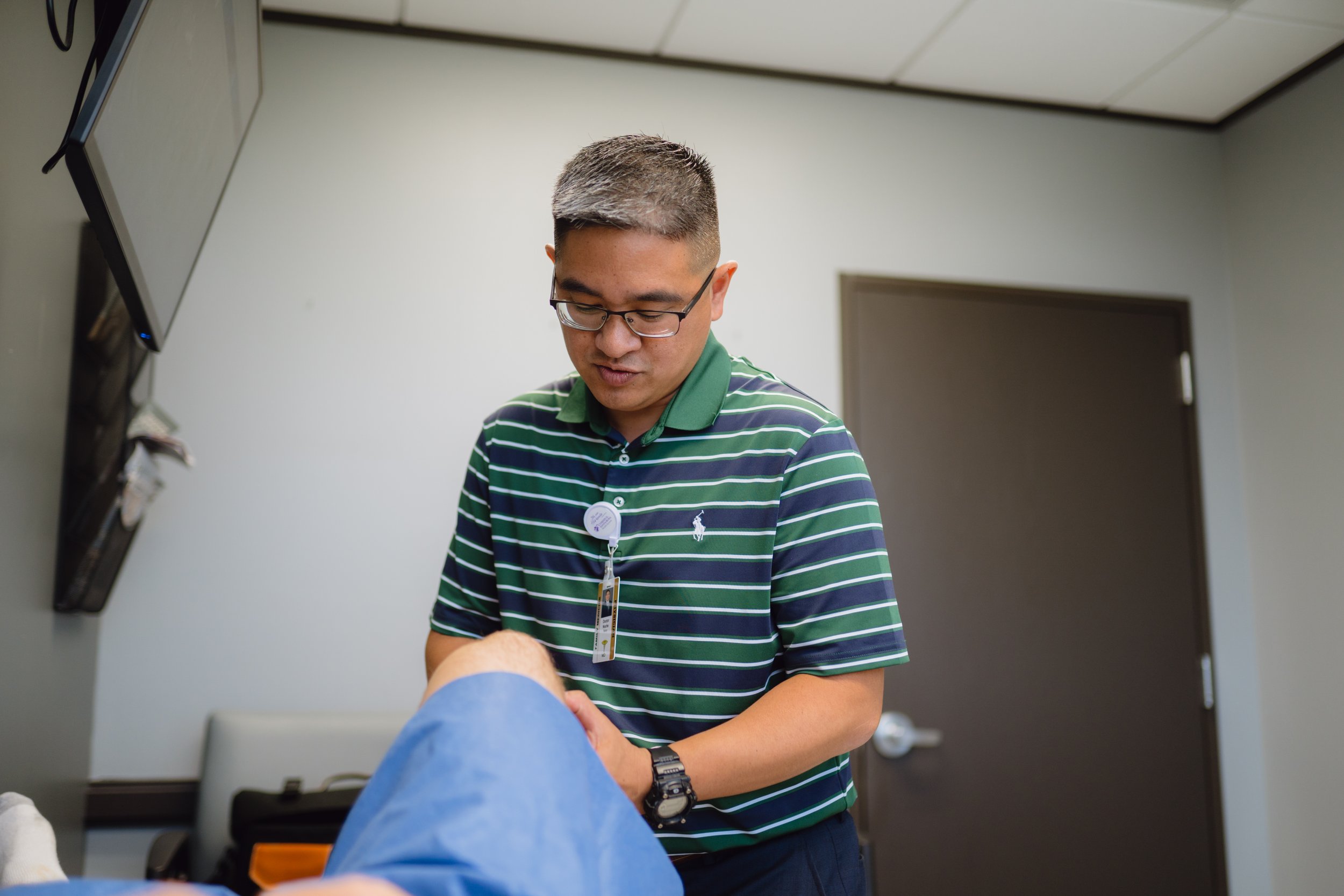
A sports medicine physician will typically begin by discussing how the knee injury occurred and evaluating pain, swelling, range of motion, stability, and movements that reproduce symptoms.
Specific physical examination techniques can help identify a possible meniscus injury. When additional information is needed, an MRI may be used to evaluate the meniscus and other soft tissues inside the knee. AAOS notes that MRI is highly accurate for diagnosing acute meniscus tears.
An accurate diagnosis helps determine the location and type of tear and whether nonsurgical treatment or meniscus tear knee surgery may be appropriate.How Are Meniscus Tears Treated?
Nonsurgical Meniscus Tear Treatment
For some meniscus tears, treatment may begin without surgery. Depending on the injury, a treatment plan may include activity modification, medications for pain and inflammation, physical therapy, and progressive strengthening and mobility exercises.
The goal is to reduce symptoms while restoring the strength and movement needed for everyday activities or sports.
Meniscus Tear Knee Surgery
When symptoms persist despite nonsurgical treatment, the knee is locking, or the tear has characteristics that may benefit from surgical treatment, meniscus tear knee surgery may be considered.
Meniscus procedures are commonly performed using knee arthroscopy, which allows the surgeon to view and treat structures inside the joint through small incisions.
Depending on the injury, surgical treatment may involve repairing the torn meniscus or treating damaged tissue that cannot be repaired. Preserving as much healthy meniscus tissue as possible is an important consideration when surgery is performed.
Frequently Asked Questions About Meniscus Tears
-
Meniscus tears can happen from twisting, pivoting, sudden direction changes, deep bending, or direct stress to the knee. They may also develop gradually as the meniscus changes with age.
-
Meniscus tear recovery depends on the type of tear, its severity, the treatment used, and the patient’s activity level. Some people recover with nonsurgical treatment, while recovery after surgery may take longer.
-
No. Some meniscus tears can be treated with rest, activity modification, physical therapy, and other nonsurgical options. Meniscus tear knee surgery may be considered when symptoms continue or the tear interferes with normal knee movement.
-
Common symptoms can include knee pain, swelling, stiffness, catching, locking, reduced range of motion, and discomfort when twisting or squatting.
-
Some tears have a better chance of healing than others depending on their location and blood supply. A sports medicine physician can evaluate the tear and recommend the most appropriate treatment.
-
Meniscus tear knee surgery is often performed arthroscopically. Depending on the injury, the surgeon may repair the tear or remove damaged tissue while preserving as much healthy meniscus as possible.
-
Yes, some people are still able to walk with a meniscus tear. However, pain, swelling, catching, or locking may make activity more difficult and should be evaluated.
-
Many athletes can return to sports after appropriate treatment and rehabilitation. The timeline depends on the tear, treatment, strength, mobility, and the physical demands of the sport.
MEET OUR SPORT MEDICINE PHYSICIANS
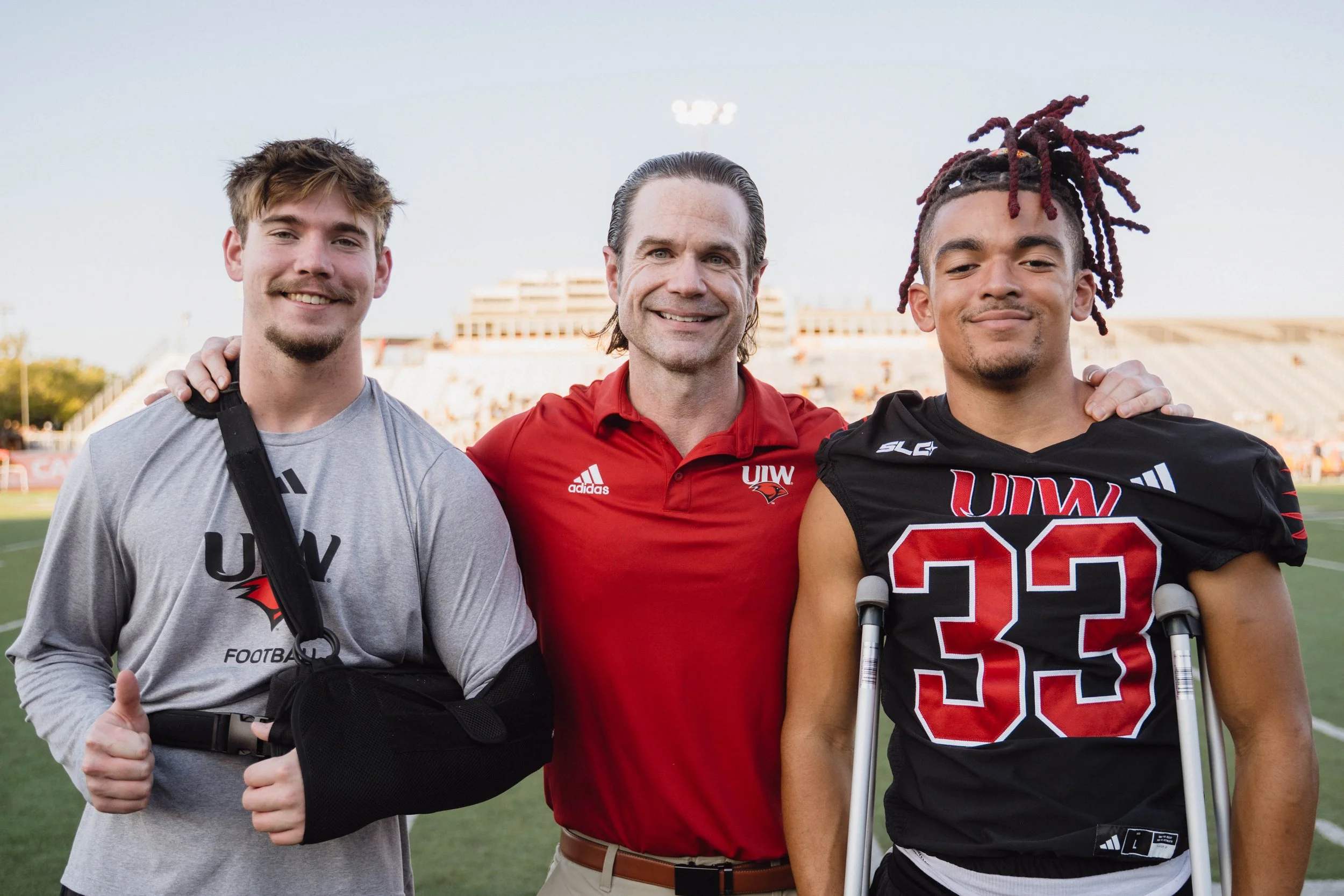
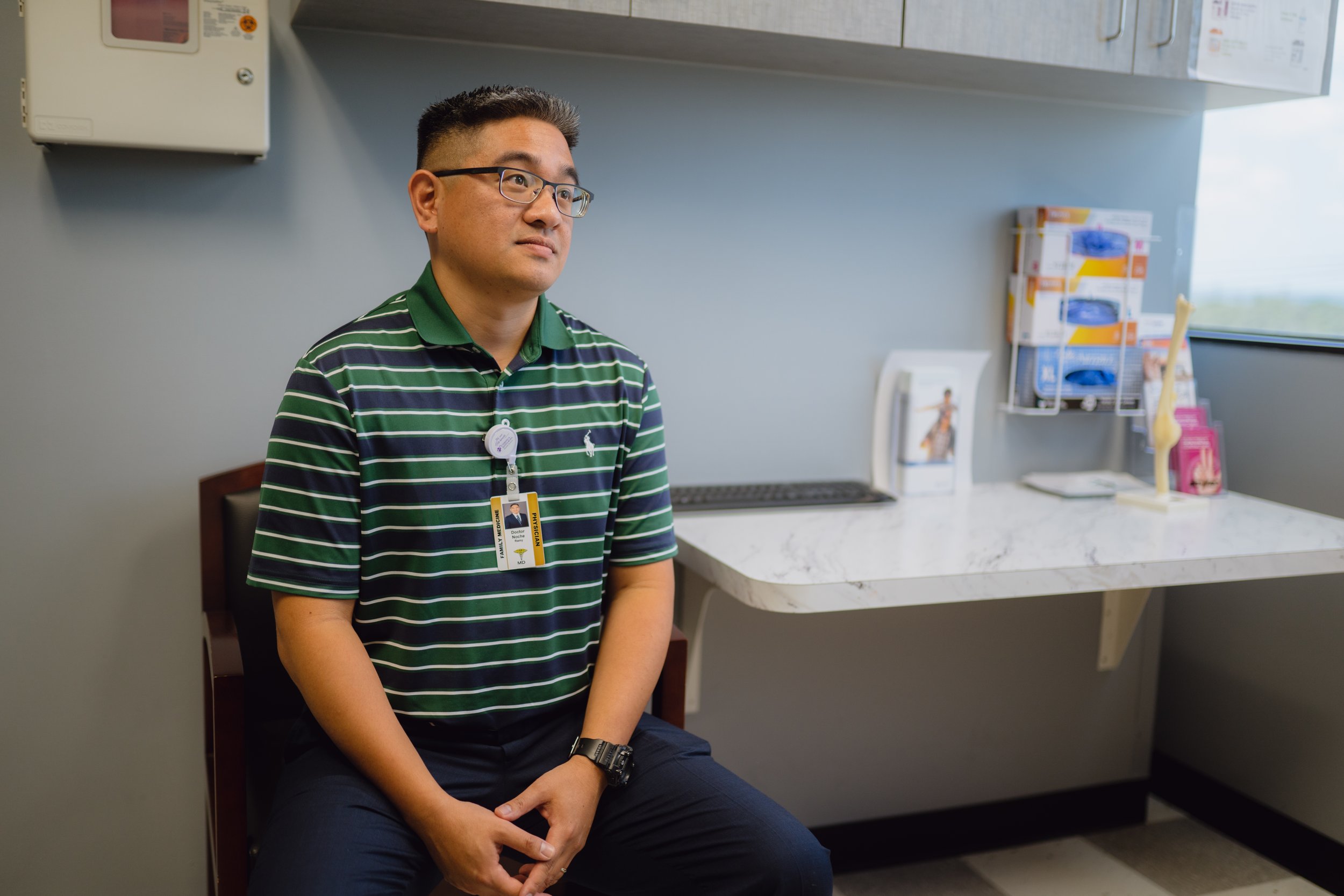
Our sports medicine physicians serve as the official orthopedic providers for San Antonio's professional and collegiate sports teams. That means sideline-tested experience treating Meniscus Tear injuries in athletes who need to get back to competition, fast and safely. We bring that exact standard of care to every active patient, from weekend warriors to lifelong athletes.
-
![Dr. Murray - Sports Medicine Physician in San Antonio]()
Dr. Matthew Murray
-
![Dr. Burns - Sports Medicine Physician in San Antonio]()
Dr. Travis Burns
-
![Dr. Noche - Sports Medicine Physician in San Antonio]()
DR. RAMY NOCHE
-
![sports medicine in san antonio at ortho san antonio]()
Dr. Samantha Baginski-Prewitt


Our Locations
-

Alamo Heights
Address: 423 Treeline Park, Suite 350, San Antonio, TX 78209
-

Westover Hills
Address: 11212 State Highway 151, Medical Plaza 1, Suite 200, San Antonio, TX 78251
-

Medical Center
ADDRESS: 2833 Babcock Rd, Tower 2, Suite 435, San Antonio, TX 78229
-

Boerne
ADDRESS: 138 Old San Antonio Rd, Suite 302, Boerne, TX 78006
-

Castroville
Address: 346 County Road 4712, Castroville, TX 78009
-

Piedras
ADDRESS: 4100 E. Piedras, Suite 165, San Antonio, TX 78228
-

Schertz
Address: 6051 FM 3009, Suite 260, Schertz, TX 78154
-

kerrville
Address: 1001 Water Street, Suite E100, Kerrville, Texas 78028
