

Neck Pain Relief and treatment Experts in San Antonio
What is Neck pain?
Neck pain is discomfort, stiffness, or soreness in the cervical spine and the muscles, joints, and nerves around it. It can stay in the neck or spread into the shoulders, upper back, arms, or hands, and it ranges from a dull ache after a long day at a desk to sharp pain that limits how far you can turn your head.
How the neck works
Your neck, or cervical spine, is made up of seven vertebrae (C1 to C7) that support the weight of your head and protect the spinal cord. Discs between the vertebrae cushion each movement, while muscles, ligaments, and nerves allow you to turn, tilt, and nod all day long. Because the neck is so mobile, it is also easy to strain or irritate.
Types of Neck Pain
Not all neck pain is the same. Doctors group it by where the pain comes from, because a stiff muscle, an irritated joint, and a pinched nerve each feel different and are treated differently. Knowing which type you have is the first step toward the right plan. Pain can also be described by how long it lasts. Acute neck pain usually follows a specific event and settles within weeks, while chronic neck pain lasts longer than three months. If your neck pain spreads into your arm or comes with numbness, tingling, or weakness, do not wait it out. These symptoms point to a nerve problem that deserves an evaluation.
Muscle-related (mechanical) neck pain: A dull ache, tightness, or soreness that stays in the neck and often feels worse with certain positions.
Joint-related neck pain: Stiffness and a sharp or aching pain when you turn or tilt your head, often worse in the morning.
Nerve-related neck pain (radicular): Pain, burning, numbness, or tingling that travels from the neck into the shoulder, arm, or hand.
Spinal cord-related neck pain (myelopathy): Neck pain with clumsy hands, trouble with balance or walking, or weakness in the arms or legs.
What Causes Neck Pain?
Neck pain is one of the most common reasons people look for care. Your neck holds up your head, protects your spinal cord, and moves all day long, so it takes a lot of daily stress. Pinpointing the cause is the first step toward real relief.
Muscle Strain: Overusing the neck muscles through repetitive movement, heavy lifting, or a sudden awkward motion can leave them sore and tight.
Poor Posture and Tech Neck: Hours at a desk or looking down at a phone put steady stress on the neck muscles and joints, especially in the upper back and base of the skull.
Whiplash and Injury: A car accident, fall, or sports collision can damage the muscles, ligaments, or discs in the neck and cause pain that builds over the next day or two.
Wear and Tear (Cervical Spondylosis): Arthritis and age-related changes in the cervical spine can cause stiffness, a grinding feeling, and pain that is worse in the morning.
Pinched Nerve or Herniated Disc: When a disc or bone spur presses on a nerve, pain can shoot into the shoulder, arm, or hand, often with tingling or weakness.
Other Medical Conditions: Conditions such as fibromyalgia and rheumatoid arthritis can show up as neck pain, which is another reason a proper evaluation matters.
Identifying the root cause of your pain allows our orthopedic team to create a personalized back pain treatment plan that’s right for you.

Treatment Options, From Gentle to Surgical
Your specialist starts with the least invasive approach that fits your diagnosis and moves up only when needed. Your plan is chosen based on the specific cause of your neck pain.
When Neck Pain Needs a Specialist
Most neck pain settles with self-care. Schedule an evaluation if you notice any of the following.You may experience:
Pain that has not improved after a couple of weeks of self-care
Neck pain that keeps returning
Pain, numbness, or tingling that spreads into the shoulder, arm, or hand
Weakness in your arm or a weaker grip
Neck pain after an accident, fall, or sports collision
Frequent headaches that start at the base of the skull
Pain that wakes you at night
Get Emergency Care Right Away For:
Sudden severe neck pain after major trauma
Weakness, numbness, or trouble walking that comes on quickly
Loss of bladder or bowel control
A stiff neck with fever and a severe headache
Chest pain or trouble breathing with neck or arm pain
Neck Pain Treatment Options
Non-Surgical Treatment
Most neck pain improves without surgery, so this is where nearly every patient starts. Physical therapy through Sports Rehab SA uses targeted exercises, stretching, and hands-on therapy to build strength, flexibility, and posture. Over-the-counter or prescription medication can ease mild to severe pain while you heal, and small changes to your day make a lasting difference, such as better chairs, a higher screen, a supportive pillow and mattress, regular exercise, and weight management to reduce strain on your spine.
When pain is stubborn or comes from an irritated nerve or joint, your specialist may add an injection. Epidural steroid injections reduce inflammation around irritated nerves, facet joint injections calm pain from the small joints of the spine, and nerve blocks interrupt pain signals. These treatments can give you relief so you can move more comfortably and get the most out of rehabilitation.
Surgical Treatment
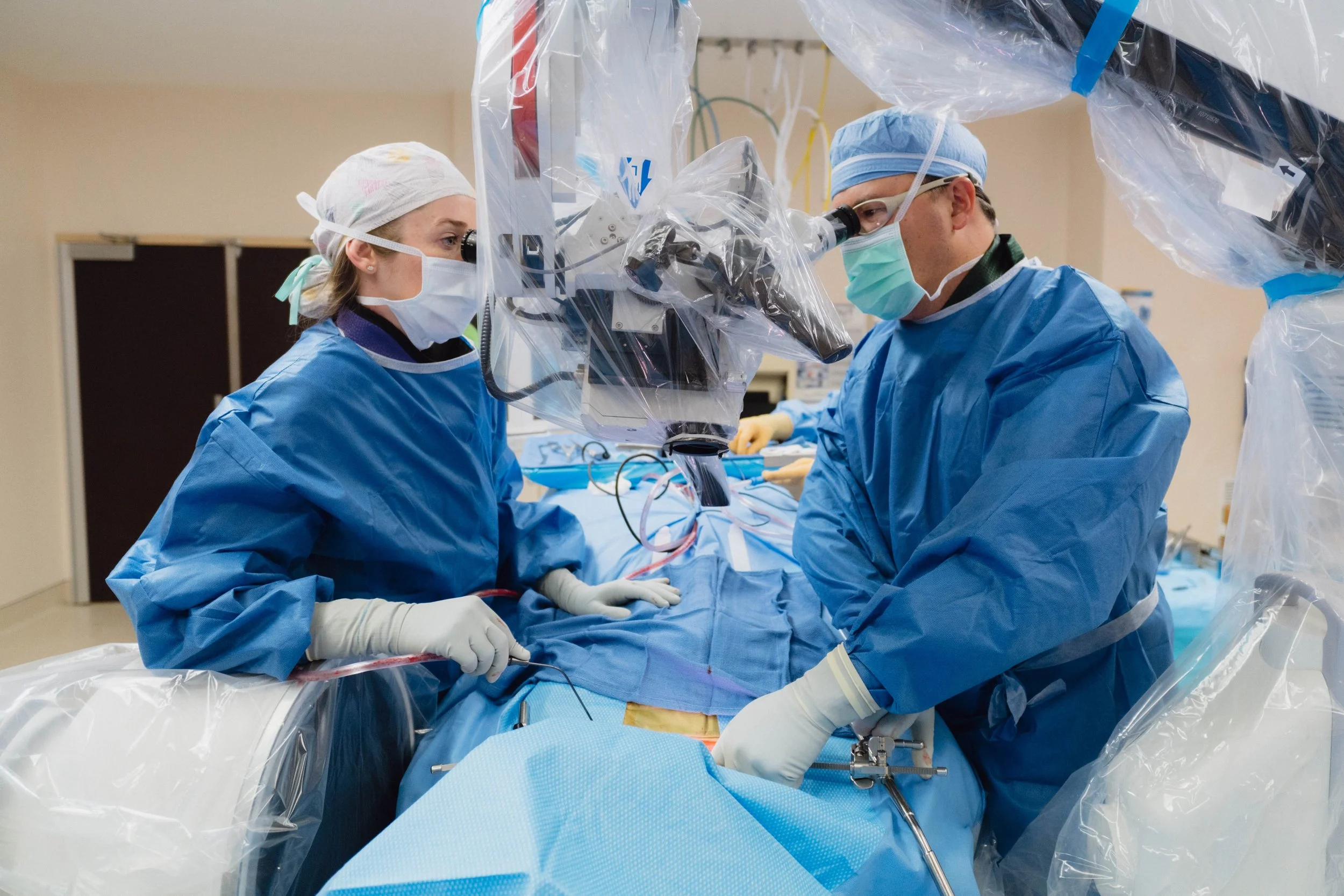
Surgery is reserved for severe cases, such as a herniated disc pressing on a nerve or the spinal cord, or symptoms that have not improved with other treatment. A discectomy removes part or all of a herniated disc that is pressing on a nerve. Spinal fusion joins vertebrae together to stabilize the spine, and it is often used for conditions like severe degenerative disc disease or instability. Artificial disc replacement swaps a damaged disc for an artificial one and preserves motion in the neck.
The right option depends on the specific cause of your neck pain, and your surgeon will walk you through the benefits and the recovery before you decide. Getting an early, accurate diagnosis gives you the best chance of avoiding surgery altogether and protecting your long-term spine health.
Meet Our Orthopedic Spine Surgeons

Kevin Richardson, DO
Orthopedic Spine Surgeon

Anton JOrgensen, MD
Orthopedic Spine Surgeon
Neck & Back Pain Shouldn’t Control Your Life
Many patients wait months, or even years, before seeking help for neck and back pain because they assume the discomfort is something they just have to live with. In this video, our team discusses how identifying the source of pain early can help patients avoid worsening symptoms and return to everyday activities with less discomfort.
At Ortho San Antonio, our specialists focus on personalized treatment plans designed to reduce pain, improve mobility, and help patients get back to living actively. Whether your symptoms are mild or severe, early evaluation can make a significant difference in your recovery and long-term spine health.
FAQs About Neck Pain
-
Neck pain most often comes from muscle strain, poor posture, or sleeping in an awkward position. It can also result from an injury such as whiplash, wear and tear on the cervical spine, a herniated disc, or a pinched nerve. Pain that comes with numbness, tingling, or weakness in the arm or hand points to a nerve problem and should be evaluated by a specialist.
-
Start with gentle movement instead of complete rest, use heat or ice for 15 to 20 minutes at a time, and raise your screen to eye level. Add chin tucks and shoulder blade squeezes, take a movement break every 30 minutes, and sleep with a pillow that keeps your neck in a neutral position. If the pain has not improved after a couple of weeks, schedule an evaluation.
-
Getting rid of neck pain starts with finding its cause. Muscle-related pain often eases with posture changes, stretching, and physical therapy. Pain from an irritated nerve or a disc problem may need a targeted plan from a spine specialist, which can include physical therapy, injections, or in select cases surgery.
-
For quick relief, apply a heat pack for 15 to 20 minutes, take an over-the-counter pain reliever as directed on the label if it is safe for you, and do slow, gentle neck turns and side tilts within a comfortable range. Support your neck with a pillow that keeps it level, and avoid long stretches looking down at a phone or laptop.
-
Ice can help calm swelling in the first 48 hours after a sudden injury. Heat is usually better for stiff, tight muscles and for pain that has lingered for more than a couple of days. Use either one for 15 to 20 minutes at a time with a cloth between the pack and your skin.
-
Many cases of muscle-related neck pain ease within a few weeks. Neck pain that lasts longer than three months is considered chronic and is more likely to involve the discs, joints, or nerves of the spine. If your pain keeps returning or is not improving, an evaluation can find the source.
-
See a specialist if neck pain lasts longer than a couple of weeks, keeps coming back, follows an accident or fall, or comes with numbness, tingling, or weakness in your arms or hands. Seek emergency care right away for sudden severe pain with weakness, trouble walking, loss of bladder or bowel control, or a stiff neck with fever and a severe headache.
-
Yes. Tight neck muscles and irritated joints in the cervical spine can trigger headaches that start at the base of the skull. When a nerve in the neck is pinched, pain, tingling, or weakness can travel into the shoulder, arm, or hand.
-
No. Most neck pain is treated without surgery using physical therapy, posture and lifestyle changes, medication, or injections. Surgery is reserved for severe cases, such as a herniated disc pressing on a nerve or spinal cord that has not responded to other treatment.
-
Ortho San Antonio treats neck pain at eight locations: Medical Center, Alamo Heights, Westover Hills, Boerne, Piedras, Schertz, Castroville, and Kerrville. Call 210-705-5060 or schedule an appointment online at ortho-sa.com.
Our Locations
-

Alamo Heights
Address: 423 Treeline Park, Suite 350, San Antonio, TX 78209
-

Westover Hills
Address: 11212 State Highway 151, Medical Plaza 1, Suite 200, San Antonio, TX 78251
-

Medical Center
ADDRESS: 2833 Babcock Rd, Tower 2, Suite 435, San Antonio, TX 78229
-

Boerne
ADDRESS: 138 Old San Antonio Rd, Suite 302, Boerne, TX 78006
-

Castroville
Address: 346 County Road 4712, Castroville, TX 78009
-

Piedras
ADDRESS: 4100 E. Piedras, Suite 165, San Antonio, TX 78228
-

Schertz
Address: 6051 FM 3009, Suite 260, Schertz, TX 78154
-
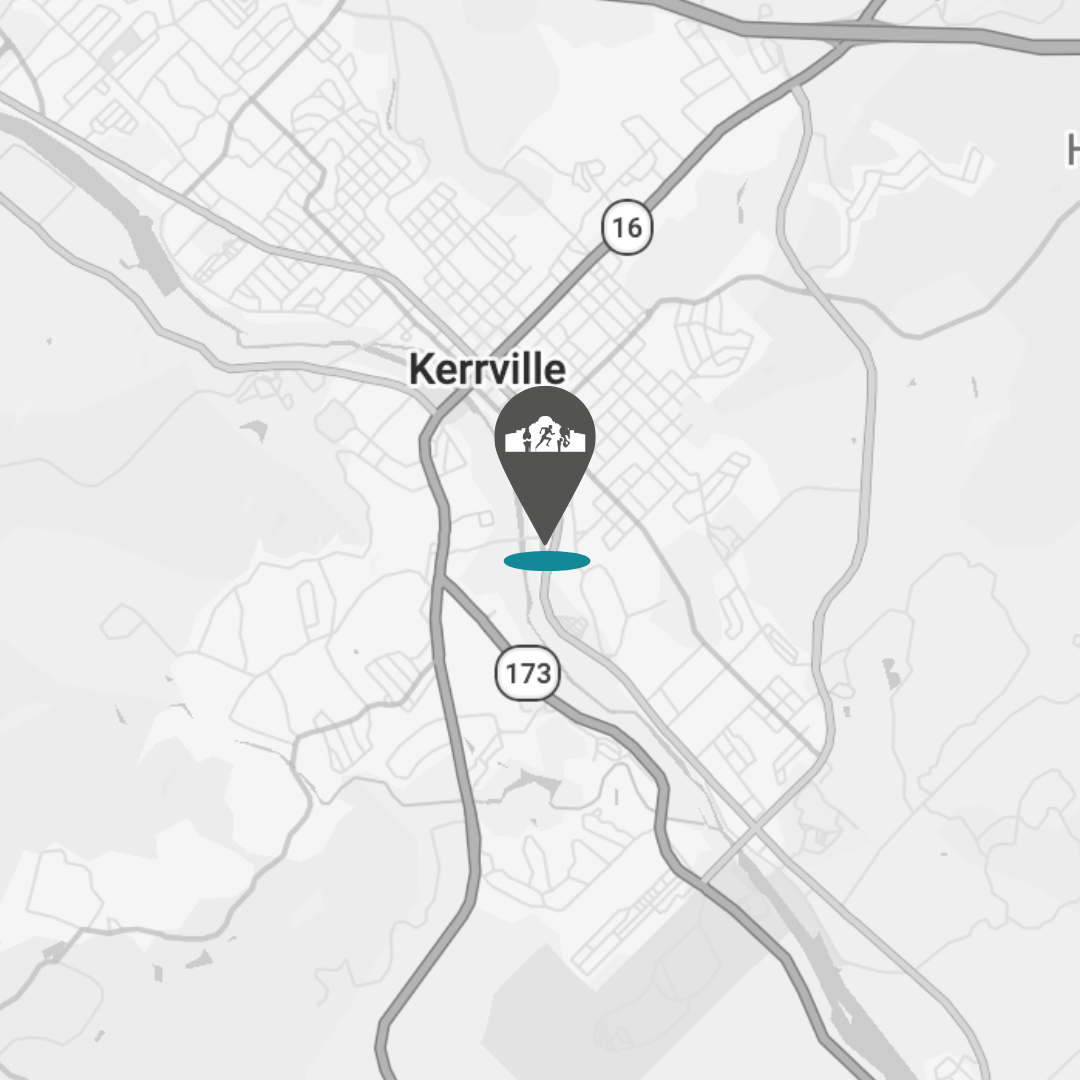
kerrville
Address: 1001 Water Street, Suite E100, Kerrville, Texas 78028
Don’t let Neck Pain run your life.
