
Muscle Strain Treatment in San Antonio
Expert Sports Medicine Care for Muscle and Tendon Strains
What Is A Muscle Strain?
A muscle strain, also called a pulled muscle or torn muscle, happens when muscle fibers are overstretched or partially torn under more stress than they can handle. It's one of the most common injuries in sports and active lifestyles, and one of the most commonly undertreated.
Strains most often occur in the legs, particularly the calf and hamstring, and in the back. They can happen in a single explosive moment, like a sprint start or a jump landing, or gradually from overuse and insufficient recovery.
Common Causes of Muscle Strains in Athletes
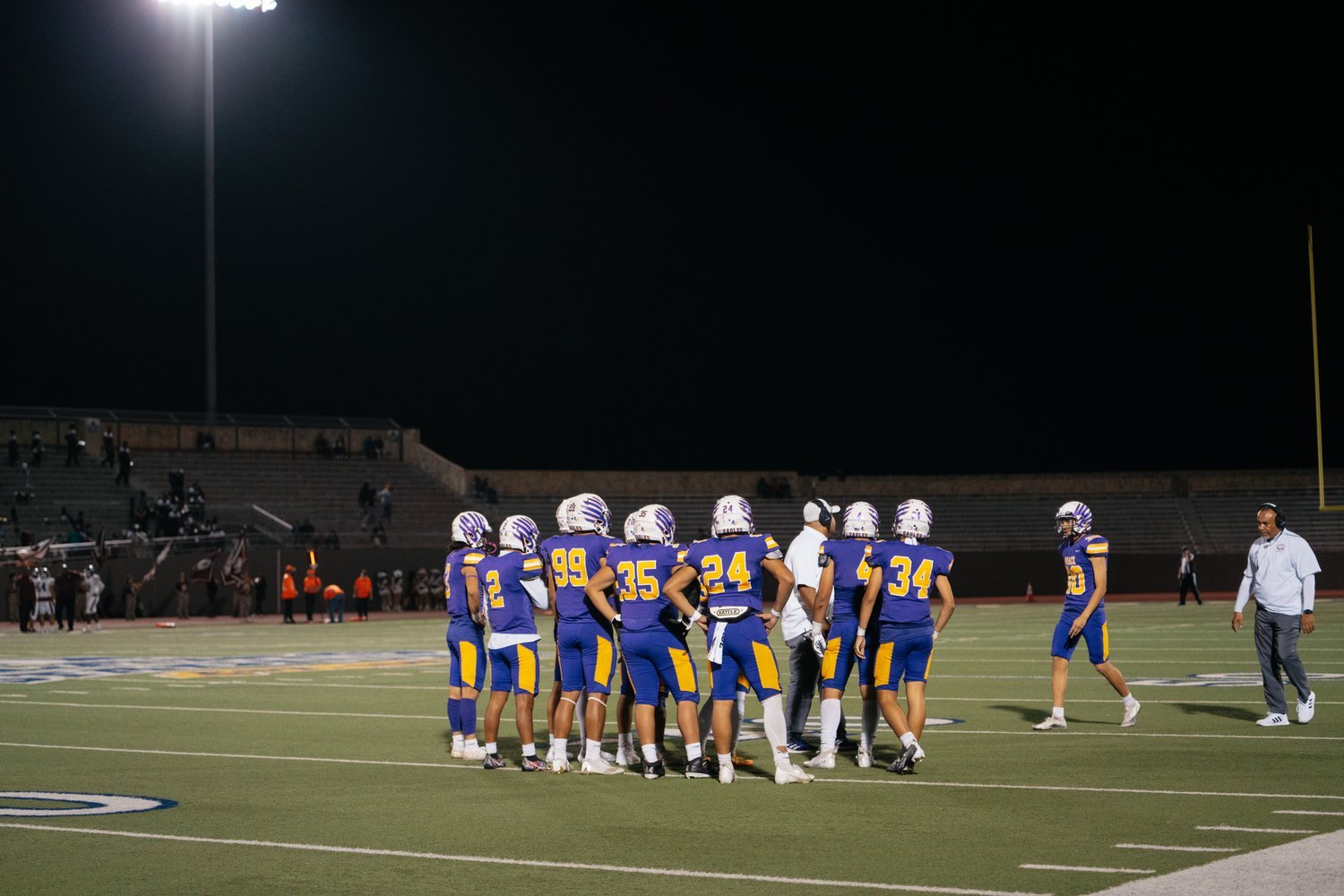
Muscle strains can happen when a muscle is stretched beyond its limits or overloaded during activity. Our sports medicine team is experienced in diagnosing and treating strains of all severities, with a recovery and return-to-play plan built around your sport and goals.
Sudden sprinting, jumping, or changing direction
Overstretching during practice or competition
Lifting or pushing with improper technique
Returning to activity before a previous injury has fully healed
Muscle fatigue from overtraining or inadequate recovery
Skipping a proper warm-up before intense activity
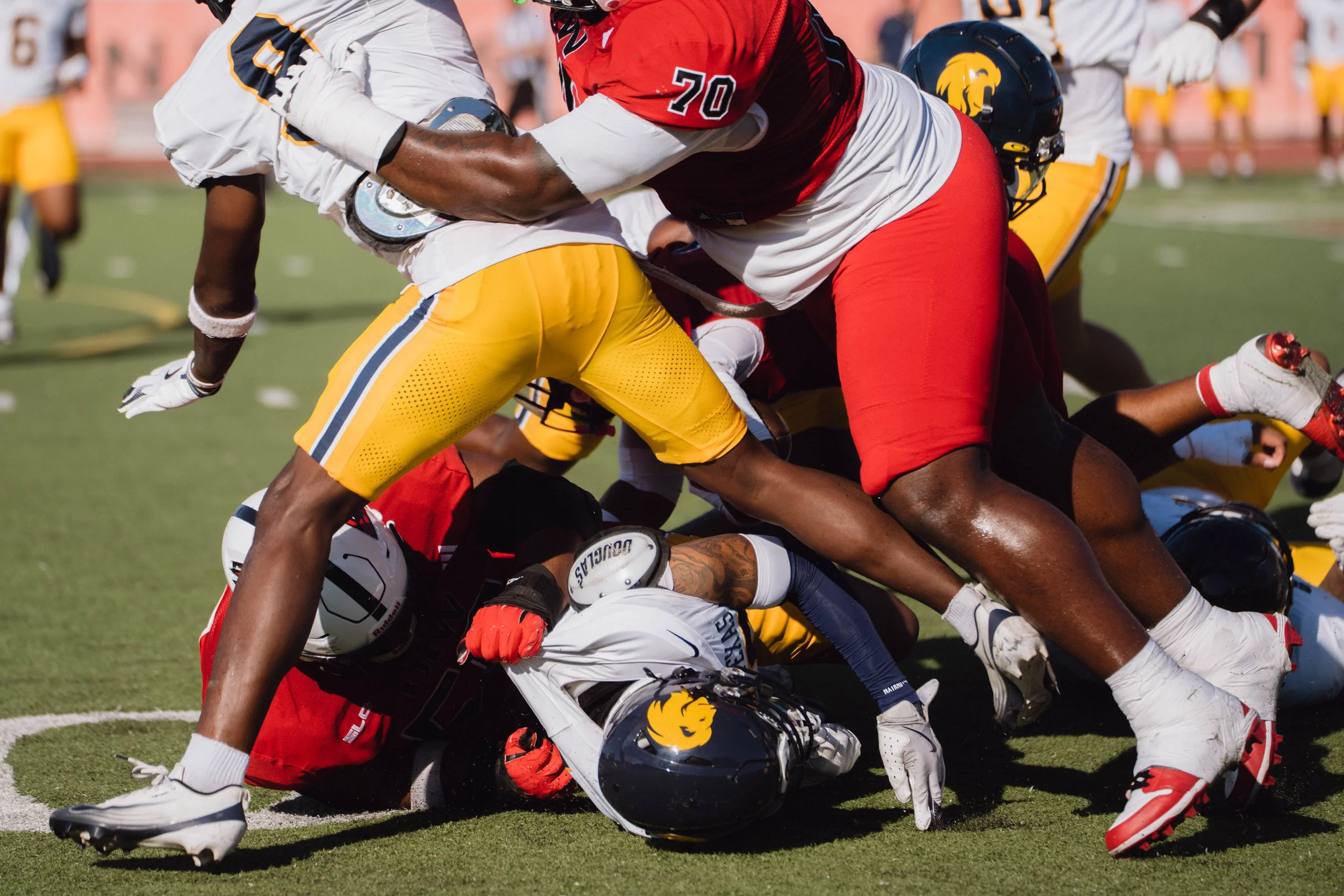
Strains are especially common in the hamstrings, calves, quadriceps, groin, and lower back. While mild soreness may improve with rest, continuing to compete through sharp pain, weakness, or limited movement can make the injury worse and extend recovery time.
The Three Grades of Muscle Strains


Symptoms of a Muscle Strain
Some muscle soreness after activity is normal. But these symptoms signal a genuine strain that needs evaluation from a sports medicine specialist, not rest alone.
Sudden, sharp pain in a muscle during or immediately after activity
Swelling, bruising, or visible muscle deformity
Weakness or loss of strength in the affected muscle
Pain that is worse with movement or stretching
Stiffness and reduced range of motion
A "pop" or tearing sensation at the moment of injury
Pain that isn't improving after 48 to 72 hours of rest
Sharp pain, swelling, weakness, or difficulty using the affected muscle can all be signs that a strain is more than simple soreness. Symptoms that persist, worsen, or make it difficult to return to normal activity may point to a more significant muscle or tendon injury. That is why a proper evaluation matters, especially when pain does not begin improving after a few days or an athlete cannot safely return to their sport.
Where Strains Hit Athletes Most
-
Strained Calf
One of the most common leg strains in runners, tennis players, and anyone who sprints or changes direction at speed. You may feel a sudden sharp pain in the back of the lower leg. A strained calf needs proper grading to avoid progression to a full tear.
-
Hamstring Strain
The most common leg strain in field sports usch as football, soccer, basketball, and track. Hamstring strains often happen at top speed or during explosive acceleration. Returning too early is the leading cause of re-injury.
-
Quad Strain
A front-of-thigh leg strain common in kicking sports and sprinting. Often felt as a sharp pain or sudden weakness mid-activity. Quad strains vary widely in severity, and an accurate grade matters for recovery planning.
-
Groin Strain
Common in lateral-movement sports like hockey, soccer, and basketball. Groin strains, also called hip adductor strains, can linger and worsen if not properly rehabilitated from the start.
-
Back Muscle Strain
A pulled back muscle is one of the most frequent complaints in athletes who lift, twist, or absorb contact. Strains most often occur in the lumbar region and can sideline an athlete for weeks if not managed correctly.
-
Shoulder & Rotator Cuff Strain
Overhead athletes, including pitchers, swimmers, and volleyball players, are prone to shoulder muscle strains. Early evaluation prevents a minor strain from becoming a rotator cuff tear that requires surgery.
How Are Muscle Strains Diagnosed?
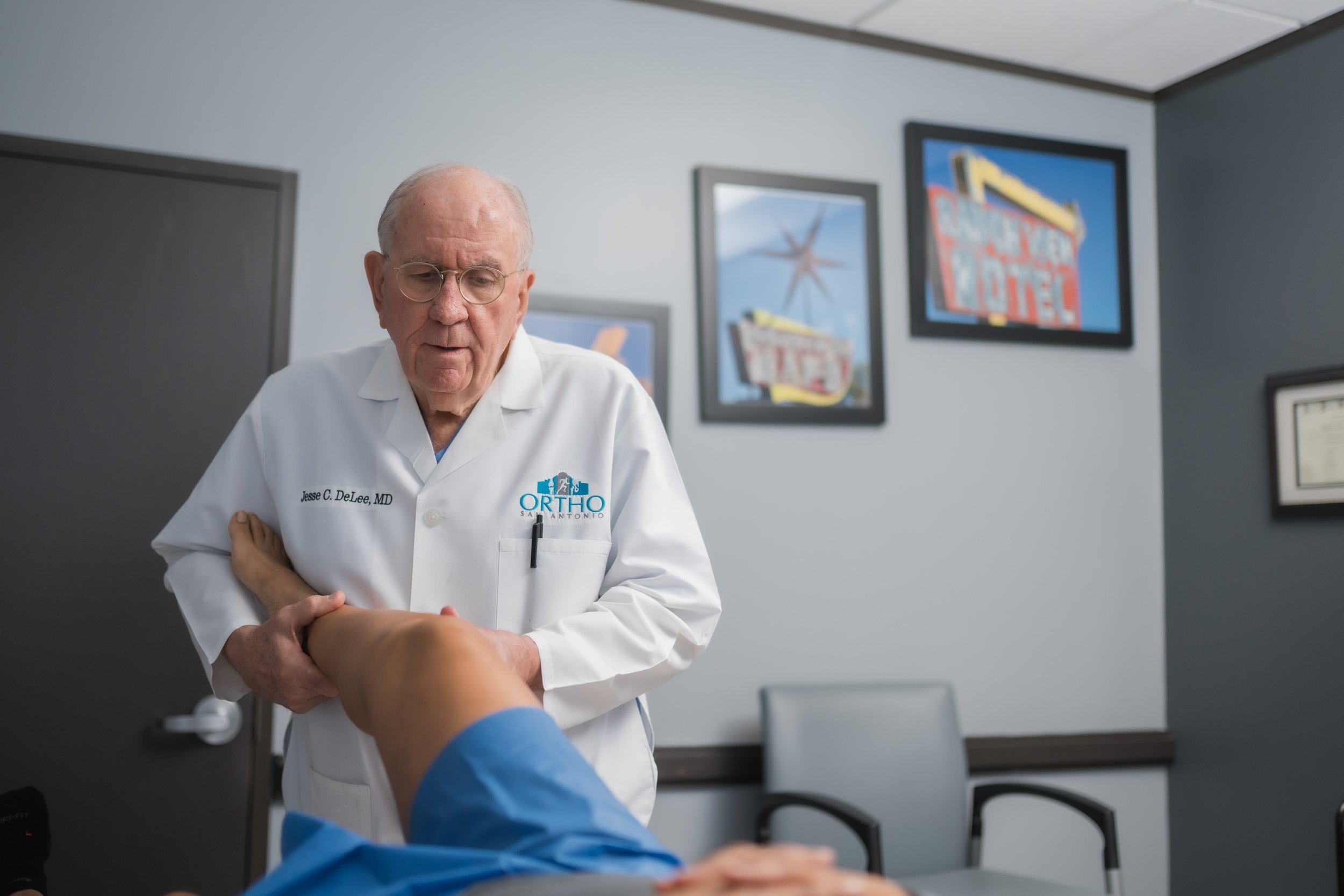
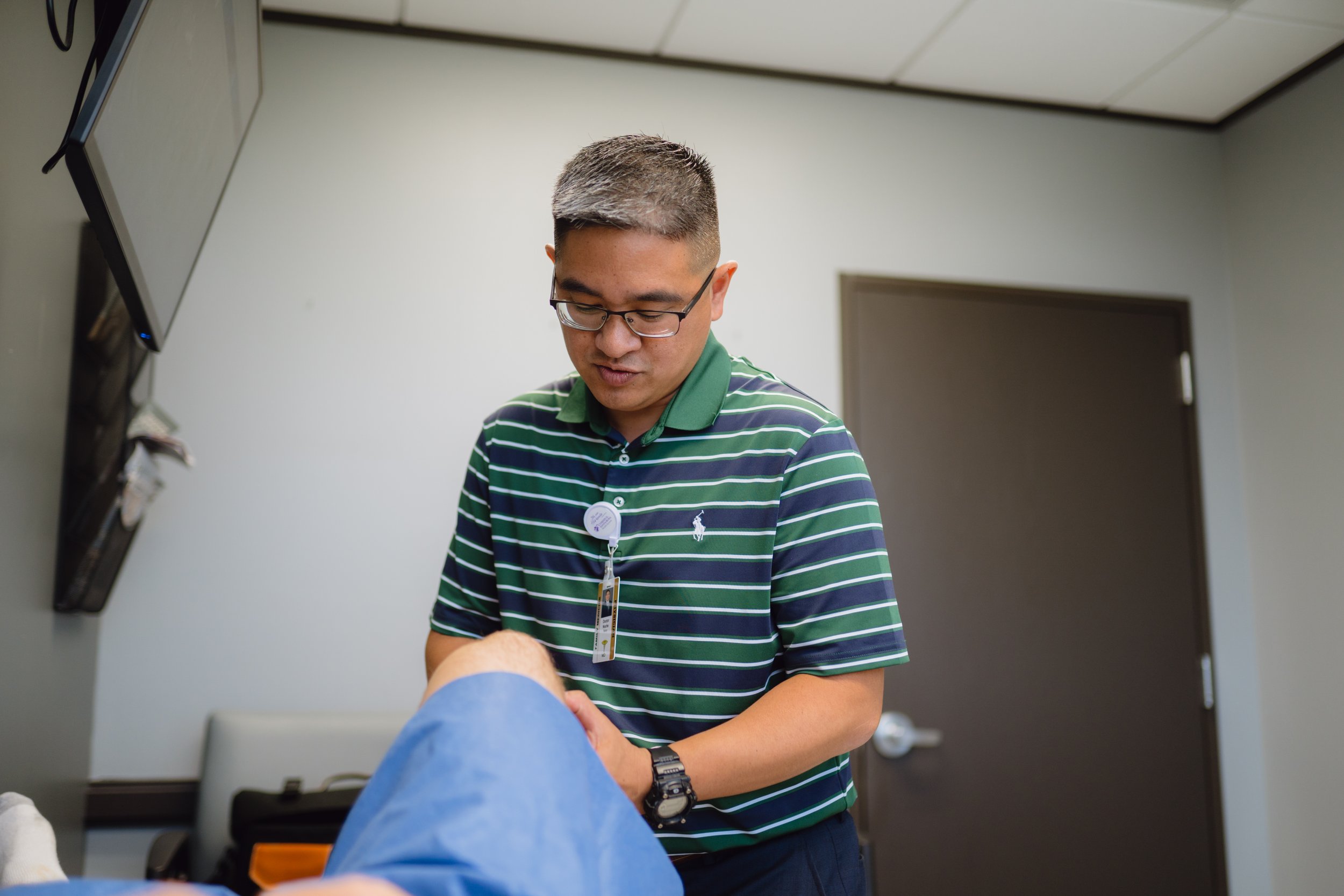
Most muscle strains can be diagnosed through a physical exam, but our sports medicine physicians take a thorough approach to determine the severity of the injury and rule out more serious damage. During your visit, we’ll discuss how the injury happened, when your symptoms began, and whether you noticed a sudden pull, pop, or loss of strength. We’ll also evaluate tenderness, swelling, range of motion, strength, and pain with movement.
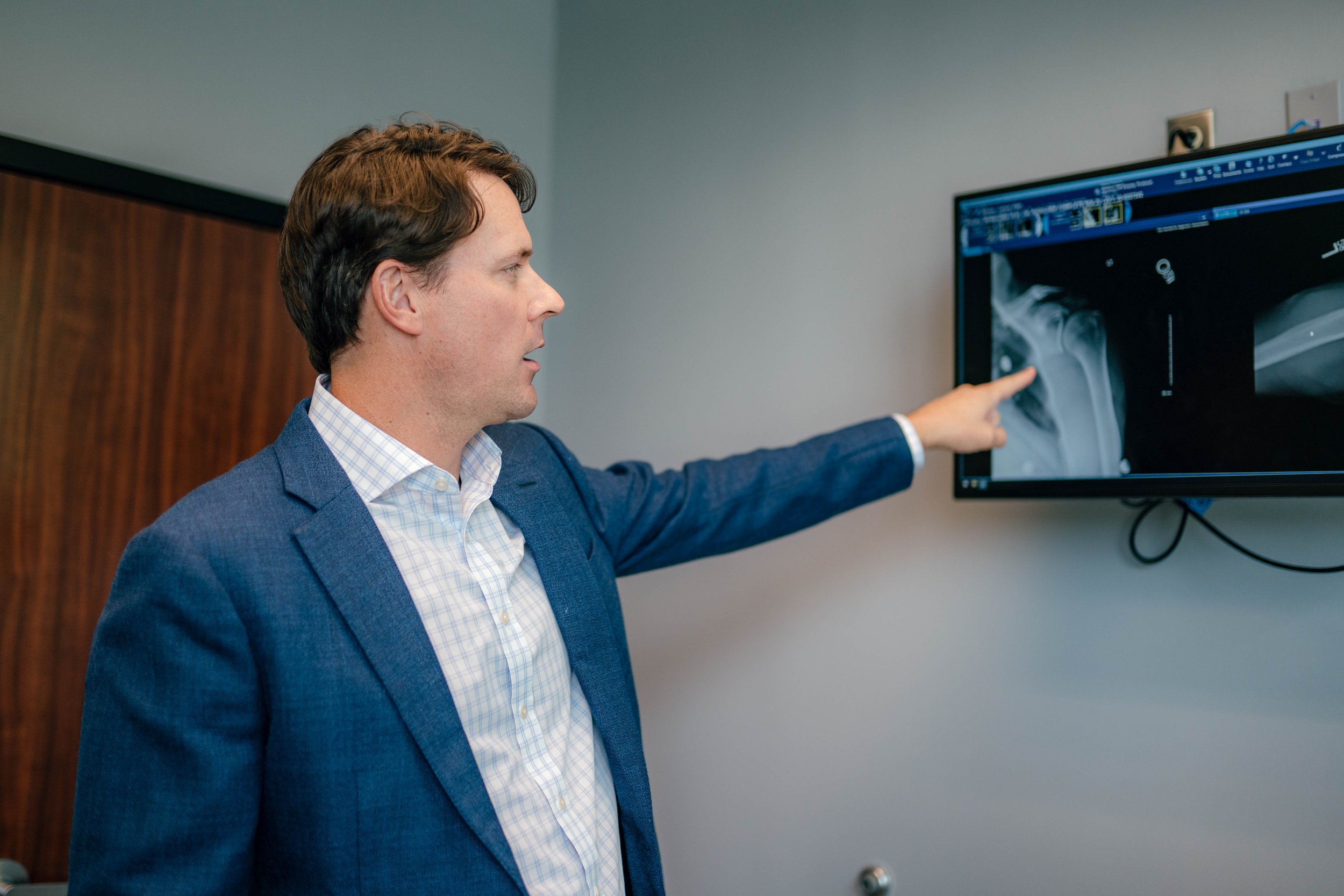
If needed, imaging may be recommended to get a closer look at the injured muscle or tendon. Ultrasound or MRI can help determine the location and extent of a tear, especially when symptoms are severe, weakness is significant, or the injury is not improving as expected.
An accurate diagnosis also helps determine whether you have a Grade I, Grade II, or Grade III strain. Understanding the severity of the injury allows our team to build the right treatment and recovery plan so you can return to activity safely.




Frequently Asked Questions About Contusions
-
A strain is an injury to a muscle or tendon. A sprain is an injury to a ligament, which connects bones to each other. Both are soft tissue injuries and both require proper evaluation to determine severity and the right treatment plan.
-
A strained calf typically causes a sudden, sharp pain in the back of the lower leg, often during a sprint, jump, or push-off movement. You may also notice swelling, bruising, tightness, and difficulty walking or pointing your foot. Some patients describe the feeling as being kicked or snapped in the calf.
-
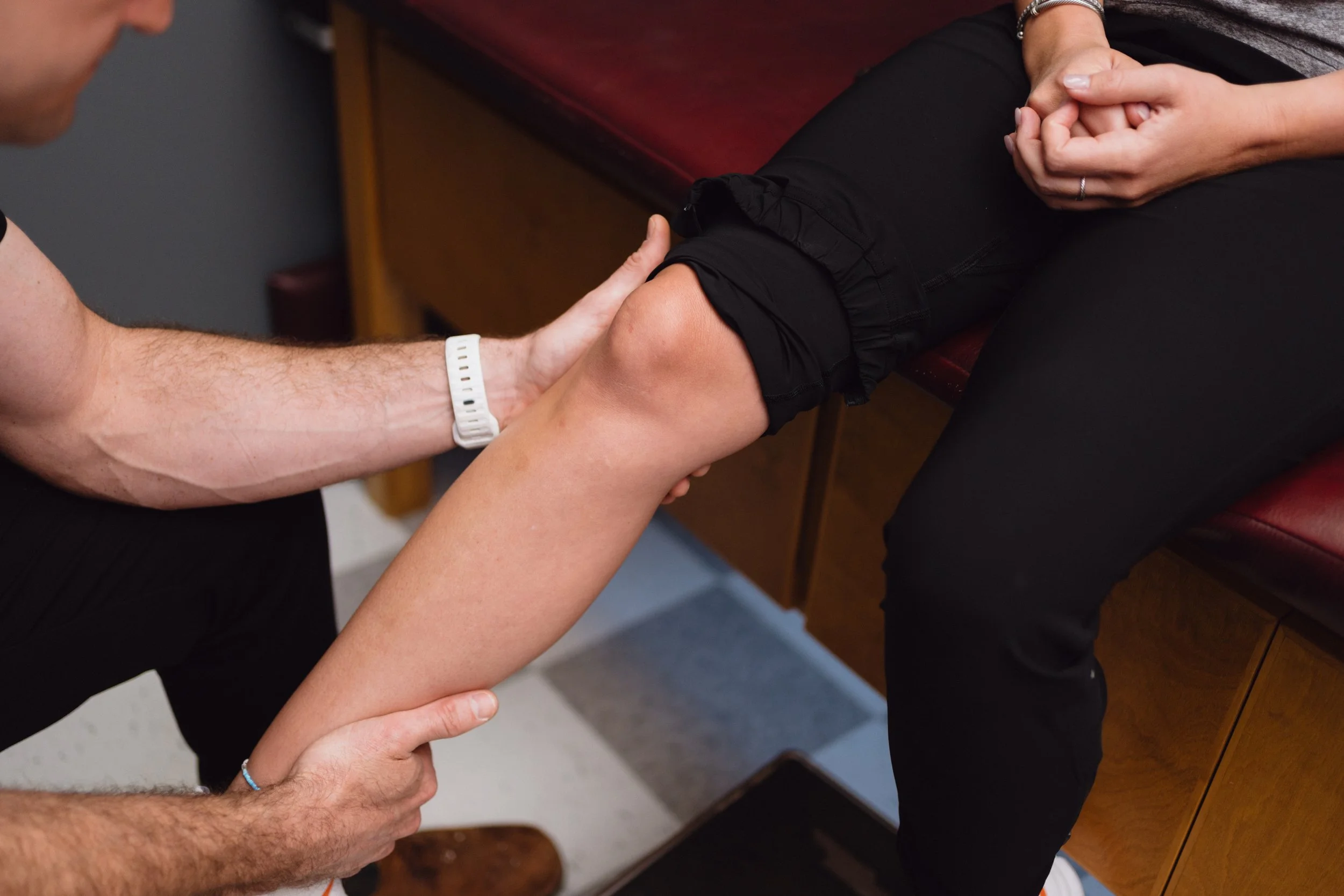
It depends on the grade. A Grade I leg strain involves minor fiber damage and usually resolves in one to two weeks with proper care. A Grade II is a partial tear that can take three to eight weeks and requires a structured recovery plan. A Grade III is a complete rupture that may need surgical repair and several months of rehabilitation. Getting an accurate diagnosis early is the most important step.
-
You should be evaluated if you experience sudden sharp pain during activity, swelling or bruising, weakness in the muscle, limited range of motion, or pain that is not improving after 48 to 72 hours of rest. A loud pop at the time of injury, inability to bear weight, or visible deformity are signs you should seek care right away.
-
With a mild Grade I strain, walking may be uncomfortable but possible. With a Grade II or Grade III strain, walking can worsen the injury. If walking causes significant pain or you feel unstable, stop and get evaluated before doing further damage.
-
Treatment depends on the grade of the strain. Options include physical therapy, PRP (platelet-rich plasma) injections, guided rehabilitation programs, and in severe cases, minimally invasive surgery. At Ortho SA, our sports medicine team builds a return-to-play plan specific to your injury, your sport, and your timeline.
-
Grade I strains typically heal in one to two weeks. Grade II strains take three to eight weeks with proper rehabilitation. Grade III complete ruptures can require three to six months or more, particularly if surgery is needed. Returning to activity too soon is the most common cause of re-injury.
-
Untreated strains often progress to a more severe injury. Scar tissue can form incorrectly, leaving the muscle weaker and more prone to re-injury. A Grade II strain that is ignored can become a Grade III rupture. Proper diagnosis and treatment from the start protects your long-term function.
MEET OUR SPORT MEDICINE PHYSICIANS
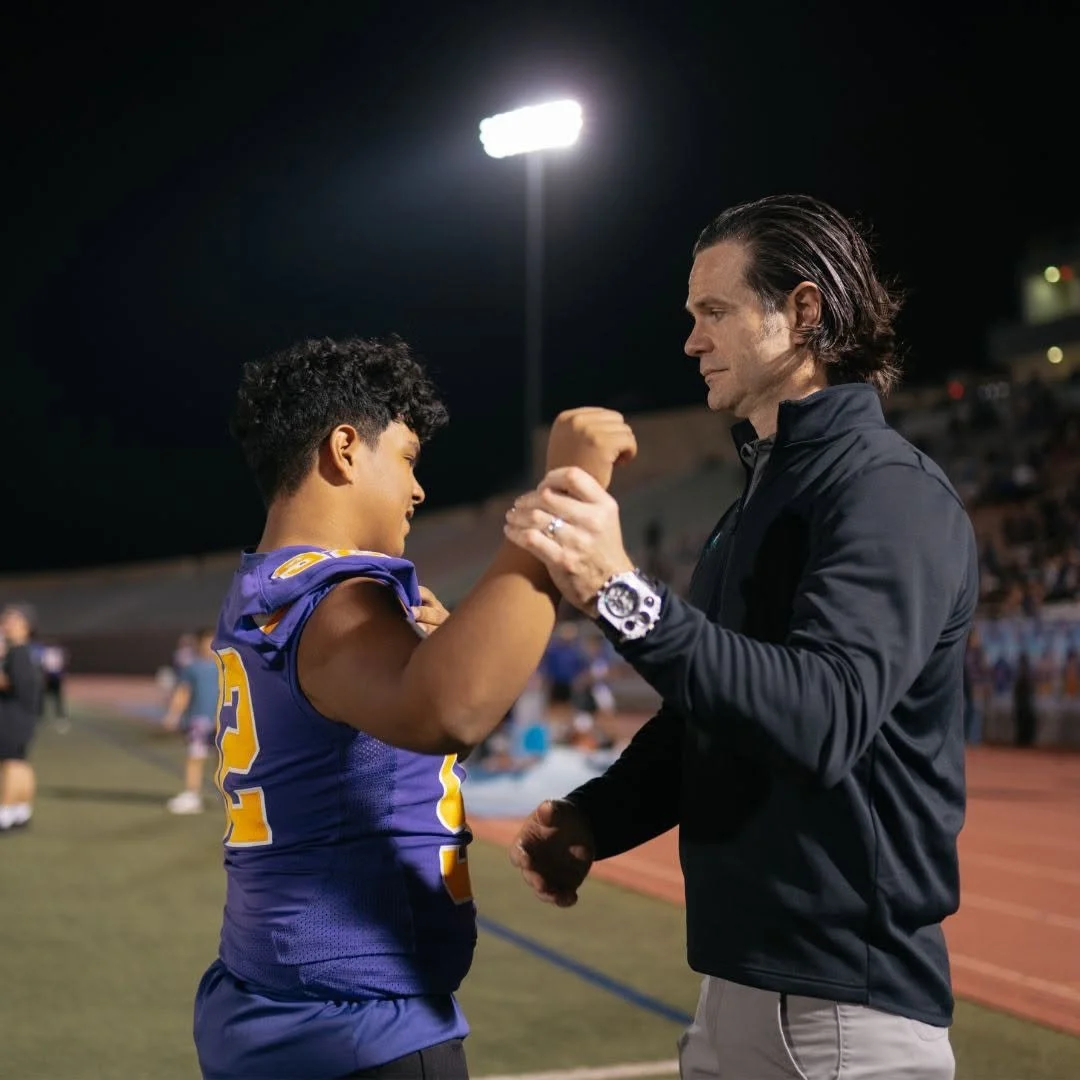
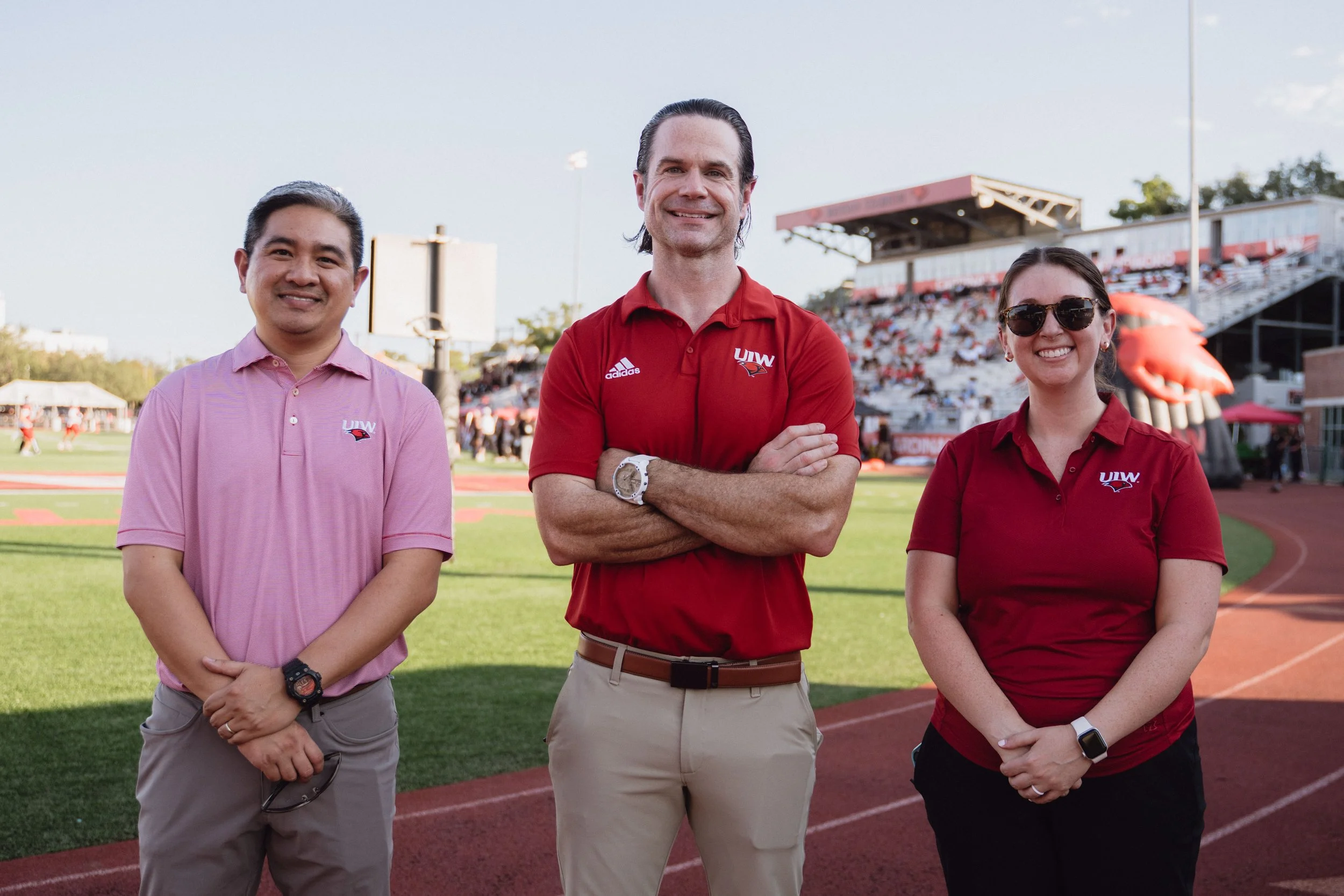
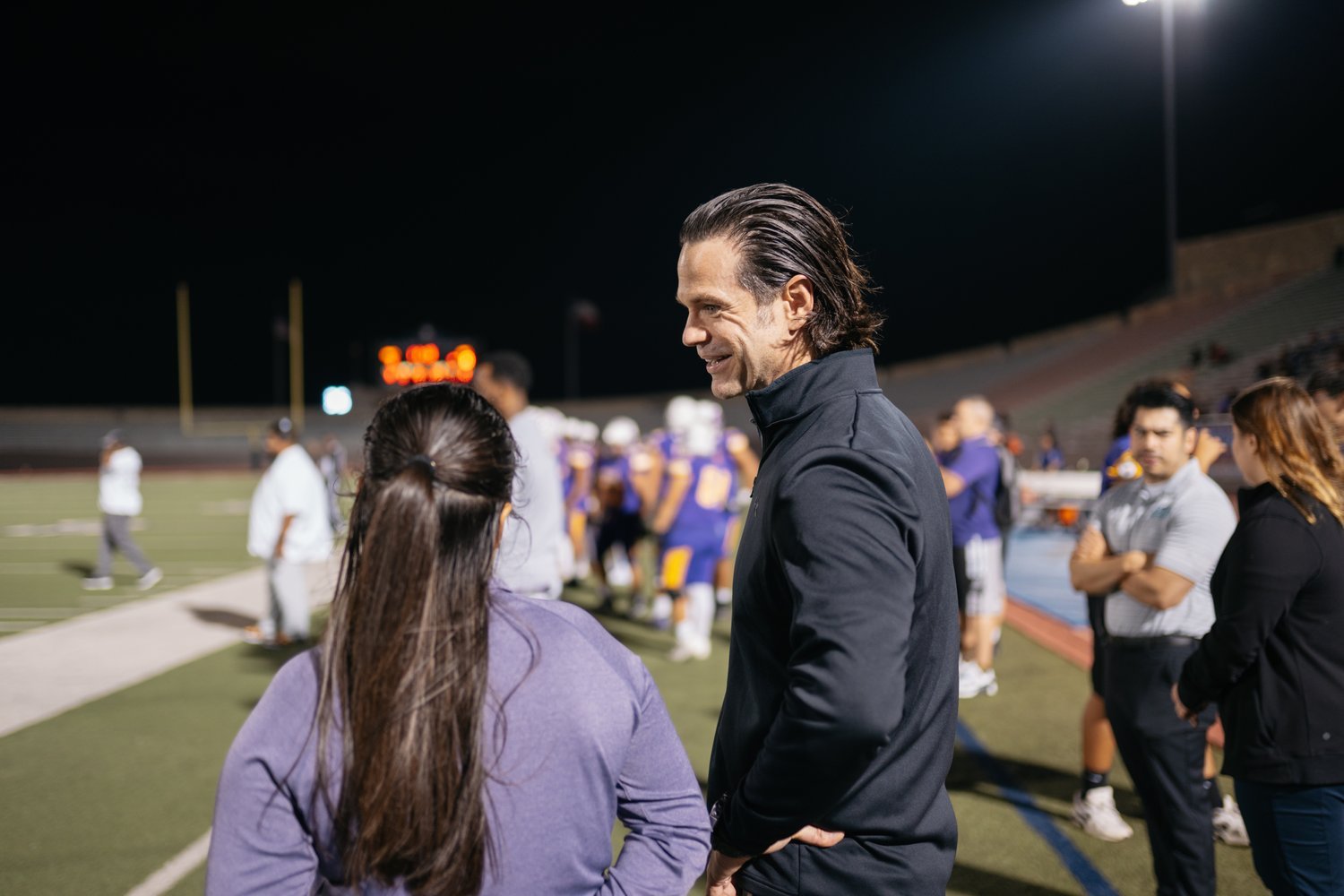
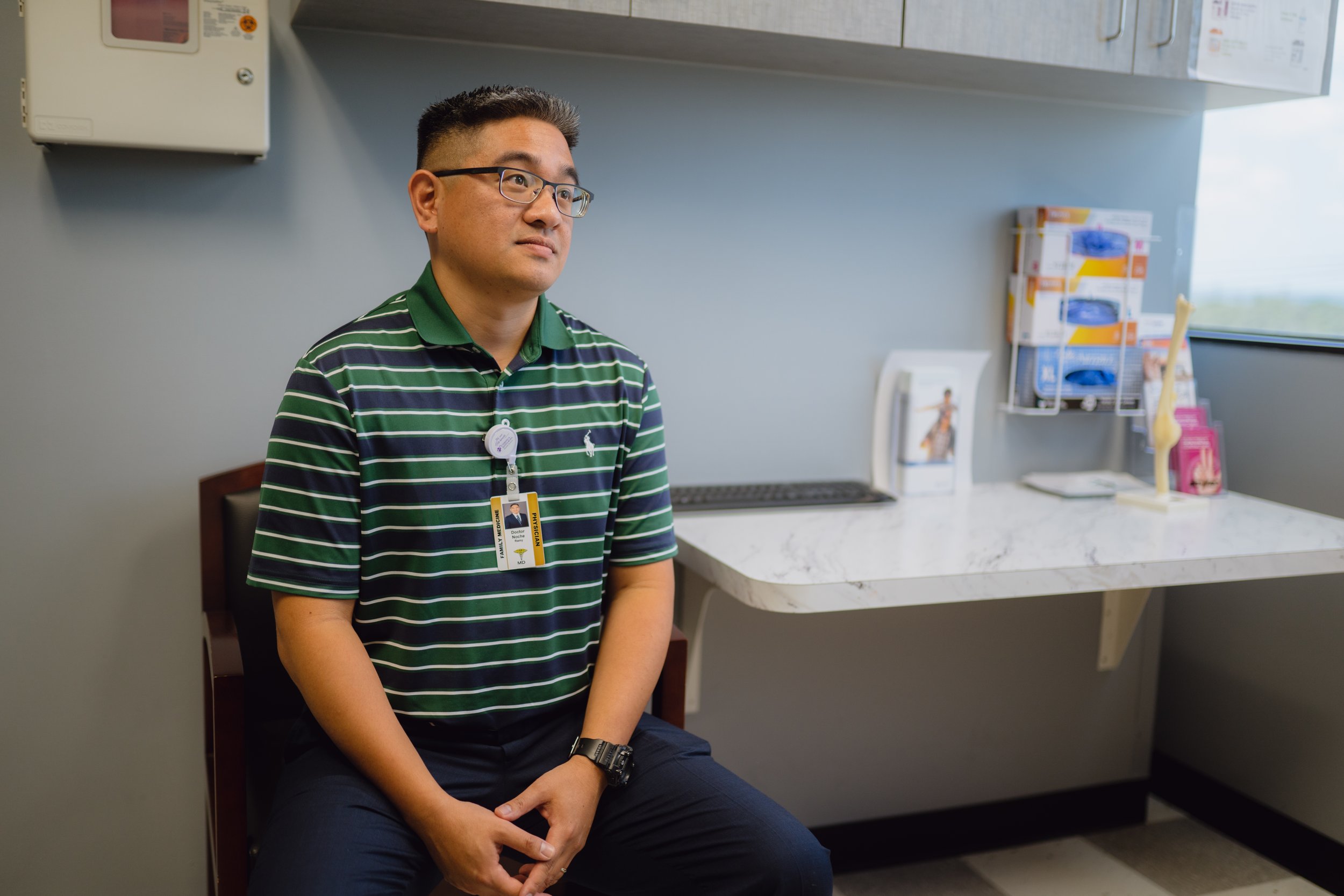
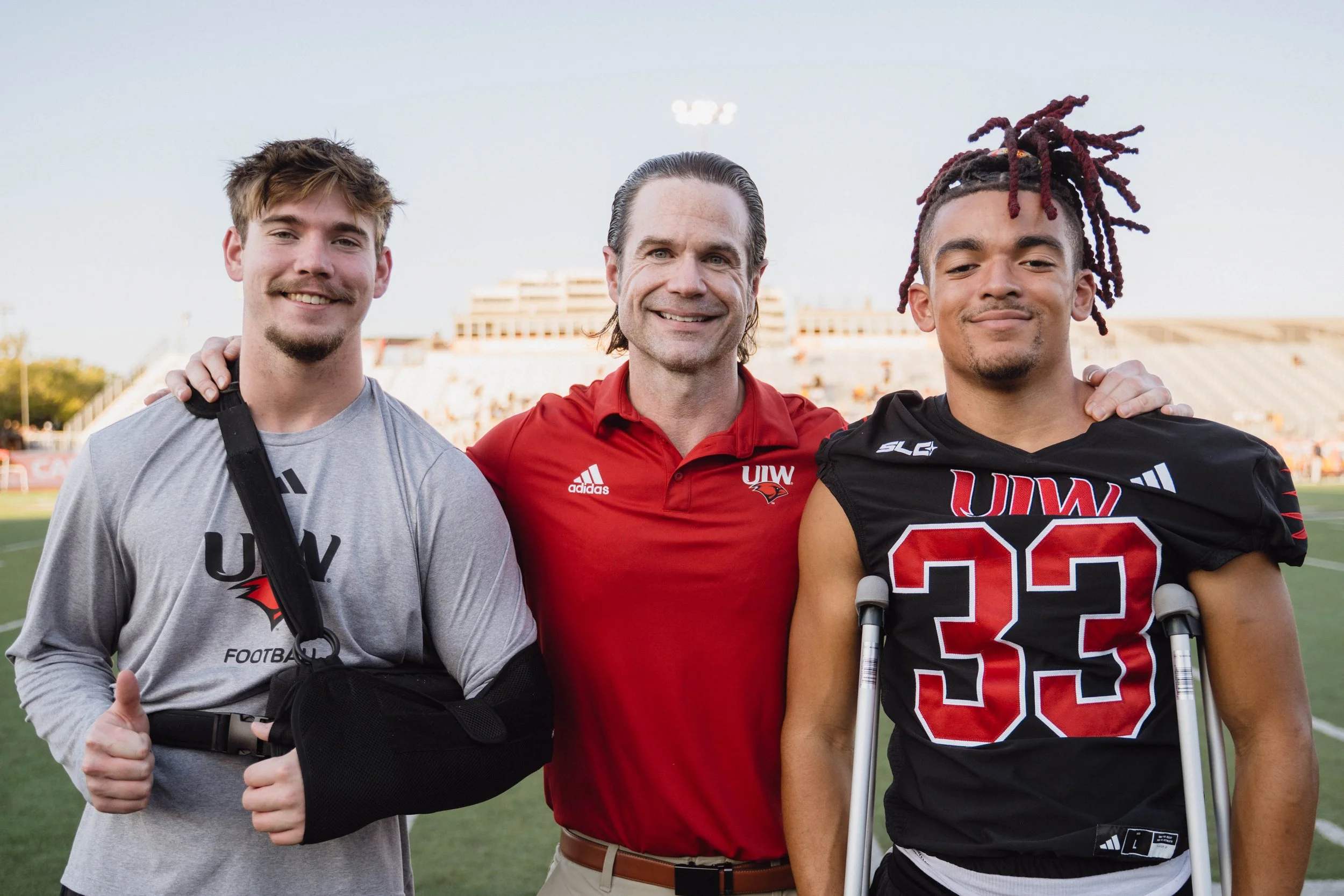
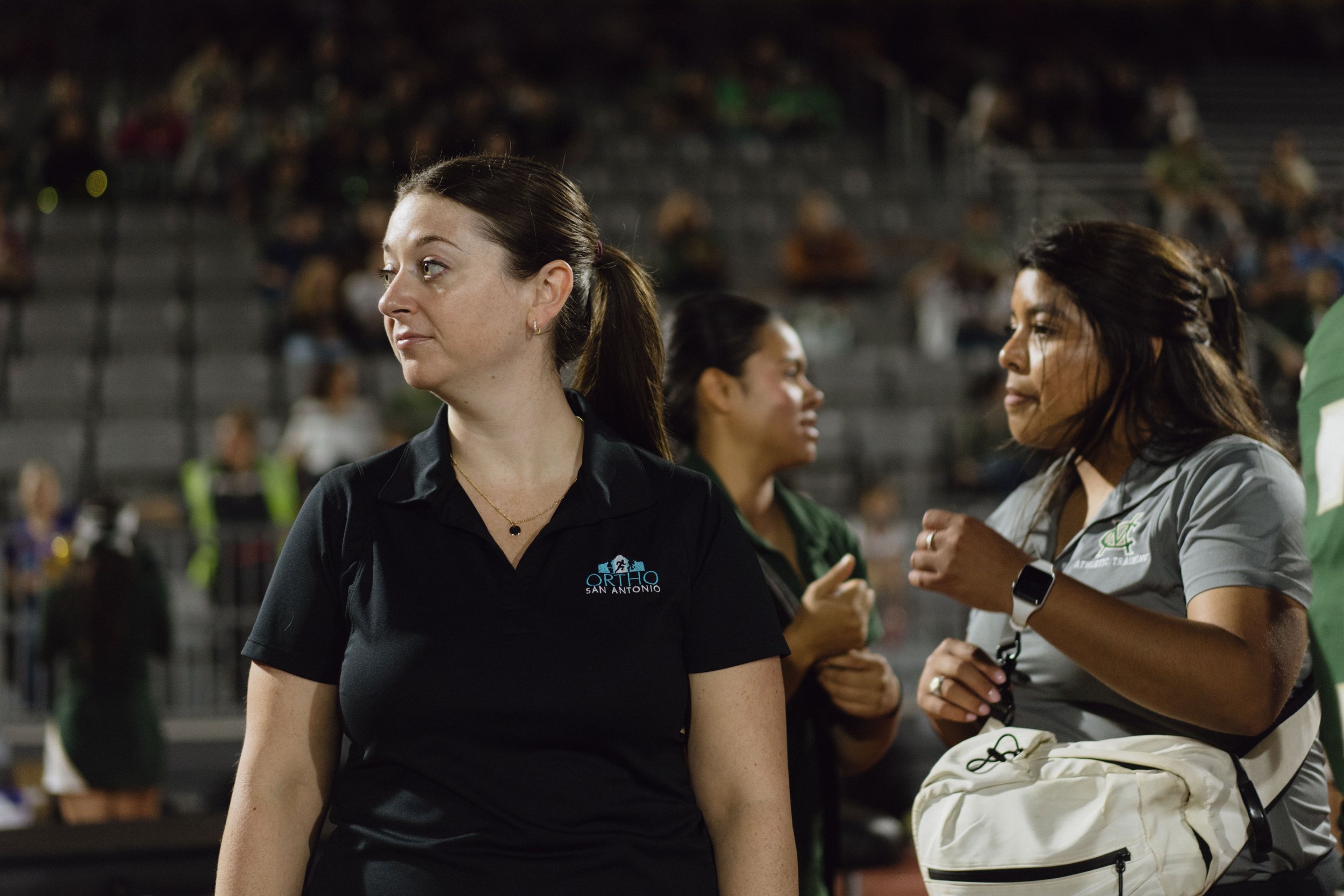
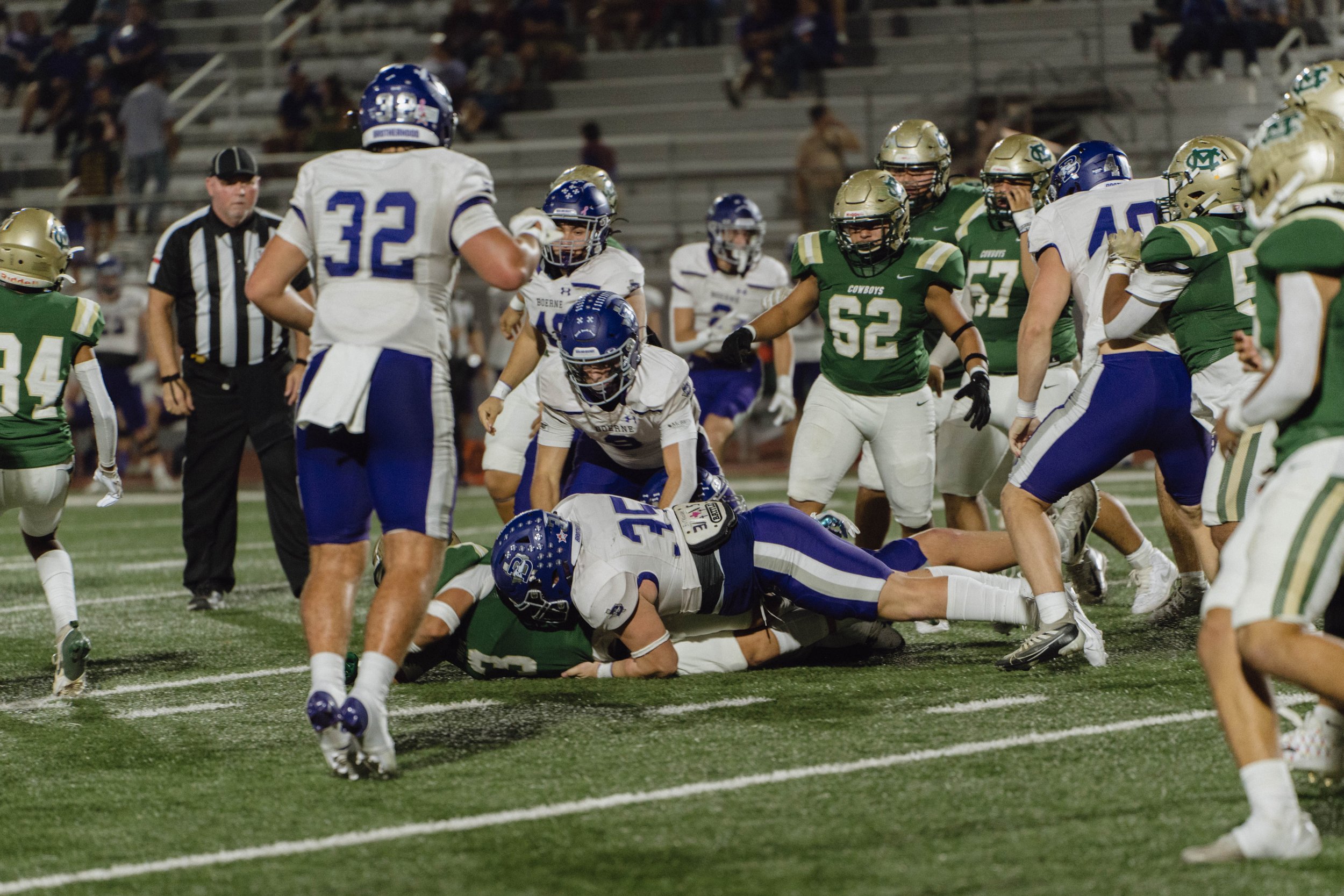
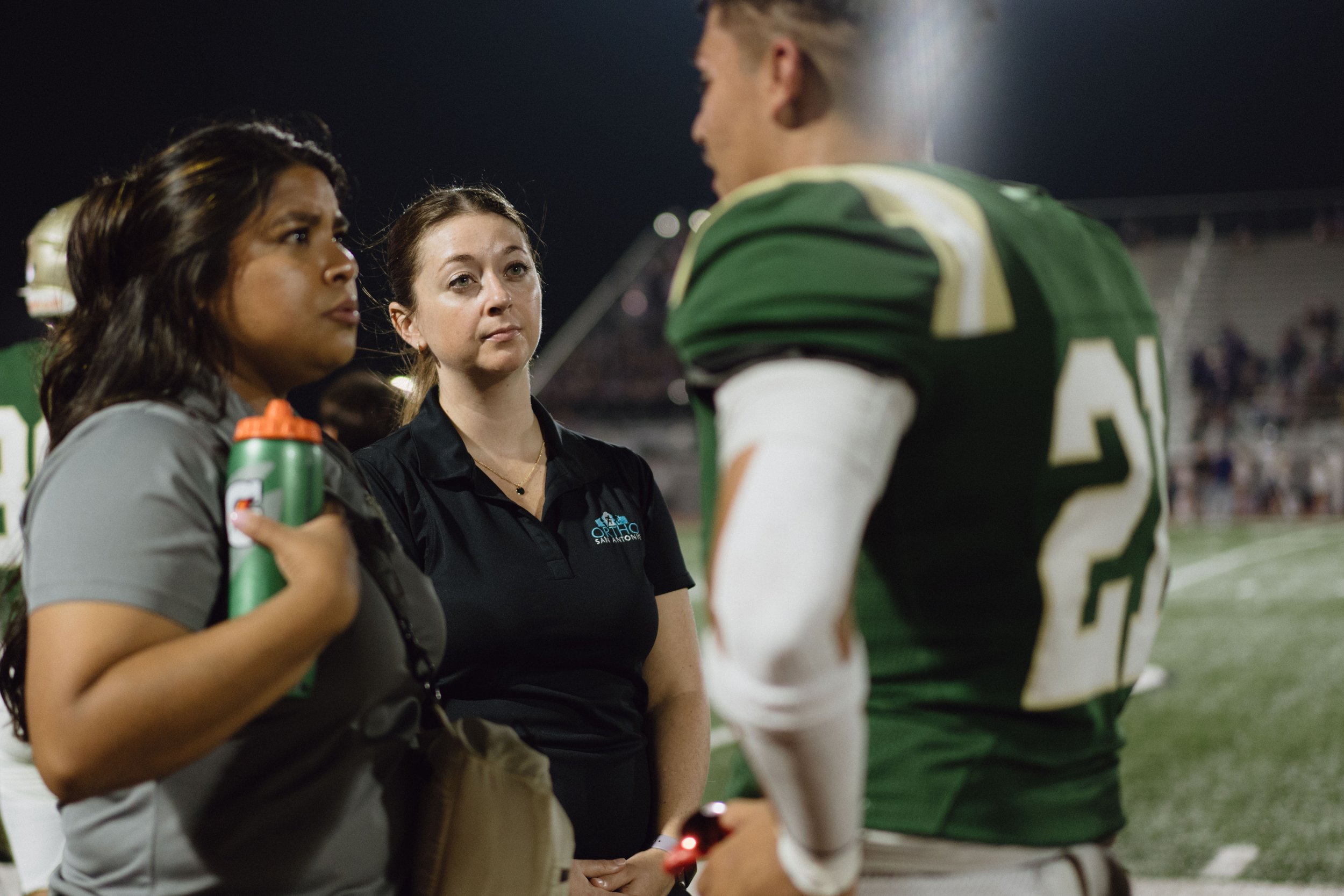
Our sports medicine physicians serve as the official orthopedic providers for San Antonio's professional and collegiate sports teams. That means sideline-tested experience evaluating and treating contusions and other sports-related injuries, helping athletes recover safely and return to play with confidence. We bring that same level of expert care to every patient, from weekend warriors to lifelong athletes.
-
![Dr. Murray - Sports Medicine Physician in San Antonio]()
Dr. Matthew Murray
-
![Dr. Burns - Sports Medicine Physician in San Antonio]()
Dr. Travis Burns
-
![Dr. Delee - Sports Medicine Physician in San Antonio]()
Dr. Jesse Delee
-
![Dr. Noche - Sports Medicine Physician in San Antonio]()
DR. RAMY NOCHE
-
![sports medicine in san antonio at ortho san antonio]()
Dr. Samantha Baginski-Prewitt





Our Locations
-

Alamo Heights
Address: 423 Treeline Park, Suite 350, San Antonio, TX 78209
-

Westover Hills
Address: 11212 State Highway 151, Medical Plaza 1, Suite 200, San Antonio, TX 78251
-

Medical Center
ADDRESS: 2833 Babcock Rd, Tower 2, Suite 435, San Antonio, TX 78229
-

Boerne
ADDRESS: 138 Old San Antonio Rd, Suite 302, Boerne, TX 78006
-

Castroville
Address: 346 County Road 4712, Castroville, TX 78009
-

Piedras
ADDRESS: 4100 E. Piedras, Suite 165, San Antonio, TX 78228
-

Schertz
Address: 6051 FM 3009, Suite 260, Schertz, TX 78154
-
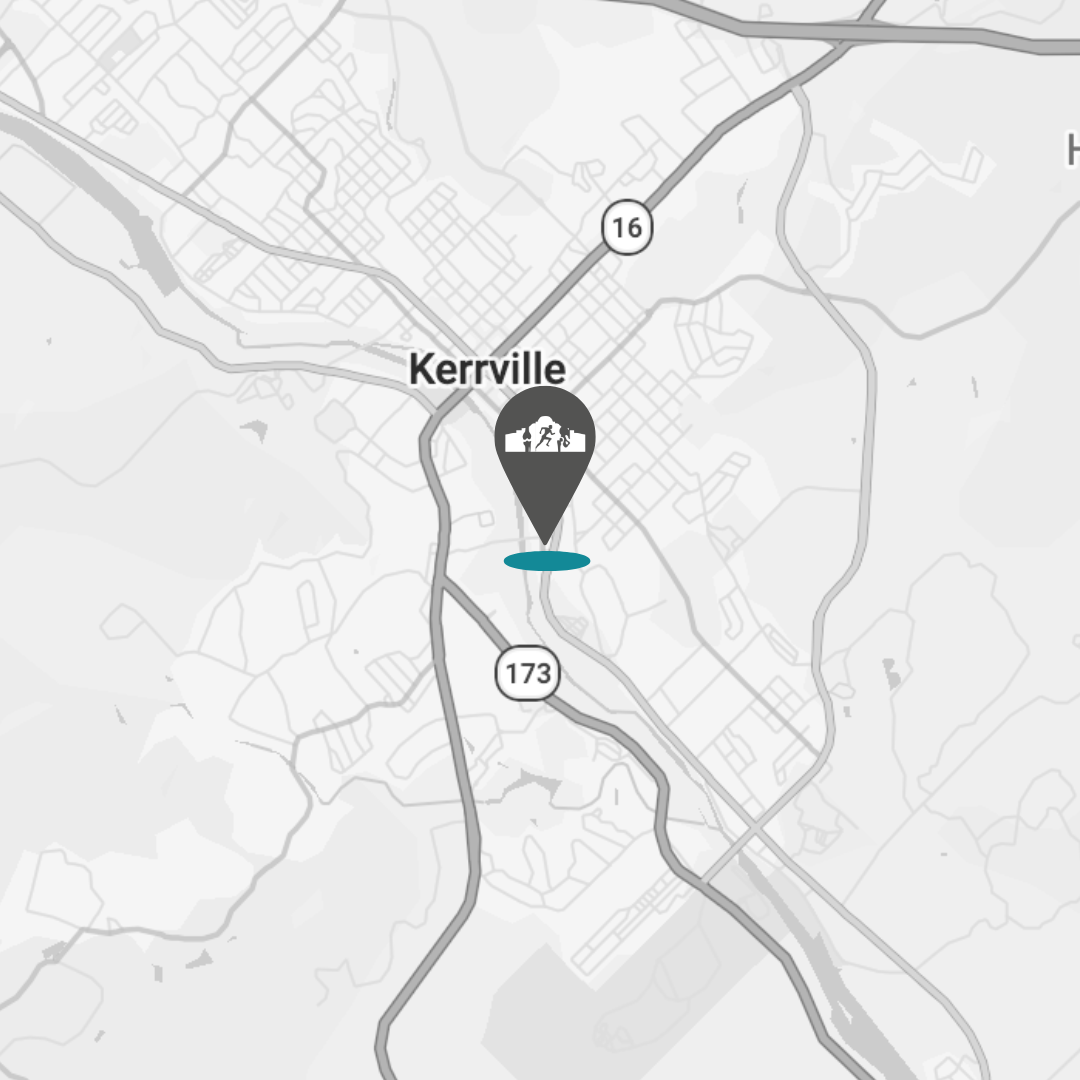
kerrville
Address: 1001 Water Street, Suite E100, Kerrville, Texas 78028