total shoulder replacement in San Antonio
Advanced Total Shoulder Replacement care for severe arthritis and shoulder pain
What Is Total Shoulder Replacement?
Total Shoulder Replacement is recommended when shoulder arthritis, joint degeneration, or severe injury damages the smooth cartilage that allows the shoulder to move without pain. Over time, this damage leads to grinding, stiffness, weakness, and limited mobility that can make everyday activities difficult.
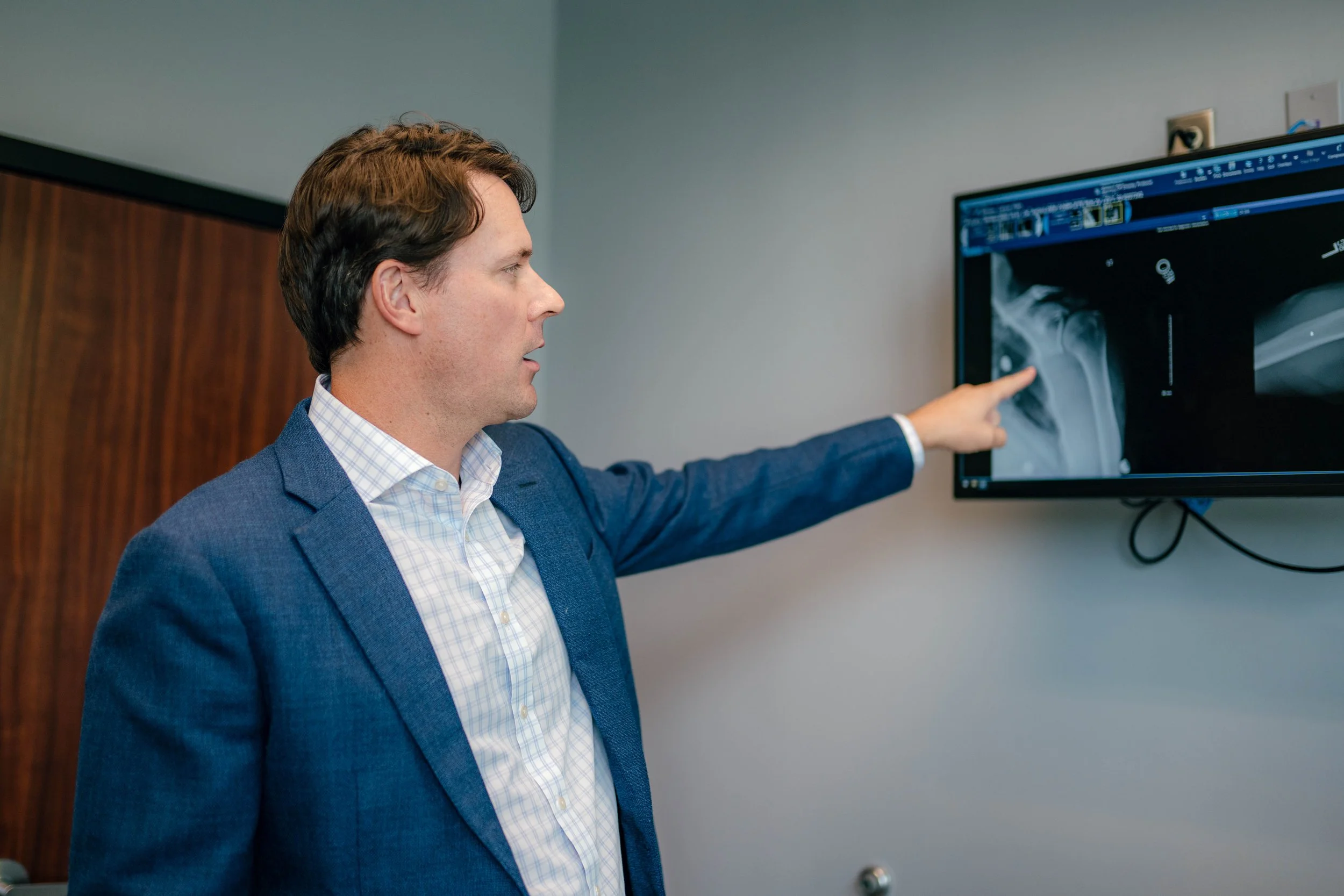
Patients often consider Total Shoulder Replacement after non surgical treatments like medications, injections, or physical therapy no longer provide relief. By replacing the damaged joint surfaces with durable, medical grade implants, the procedure is designed to reduce pain, improve range of motion, and restore shoulder strength.
Possible Causes of Severe Shoulder Pain
Total Shoulder Replacement is often recommended when one or more of the following issues are present:
Osteoarthritis
Rheumatoid arthritis
Rotator cuff arthropathy
Post traumatic arthritis
Shoulder fractures
Cartilage degeneration
Chronic inflammation
Symptoms You May Need Total Shoulder Replacement
You may be a candidate for Total Shoulder Replacement if you meet any of the following criteria:
Severe shoulder pain that limits daily activity
Stiffness or loss of motion
Grinding or catching sensation
Weakness when lifting or reaching
Pain at night or while resting
Types of Total Shoulder Replacement
There are several approaches to Total Shoulder Replacement, and the best option depends on the condition of the shoulder joint and the health of the rotator cuff.
Anatomic Total Shoulder Replacement -This approach replaces the damaged ball-and-socket joint with implants that mimic the natural structure of the shoulder. It is typically recommended when the rotator cuff is healthy and the main issue is joint damage from arthritis or injury.
Reverse Total Shoulder Replacement - In this technique, the position of the ball and socket is reversed to allow the deltoid muscle to lift the arm instead of the damaged rotator cuff. This option is ideal for patients with severe rotator cuff tears, rotator cuff arthropathy, or complex shoulder injuries.
Partial Shoulder Replacement - Also known as hemiarthroplasty, this procedure replaces only the ball of the shoulder joint. It is used in select cases, often when the socket is healthy or when certain types of fractures occur.
What to Expect During Surgery
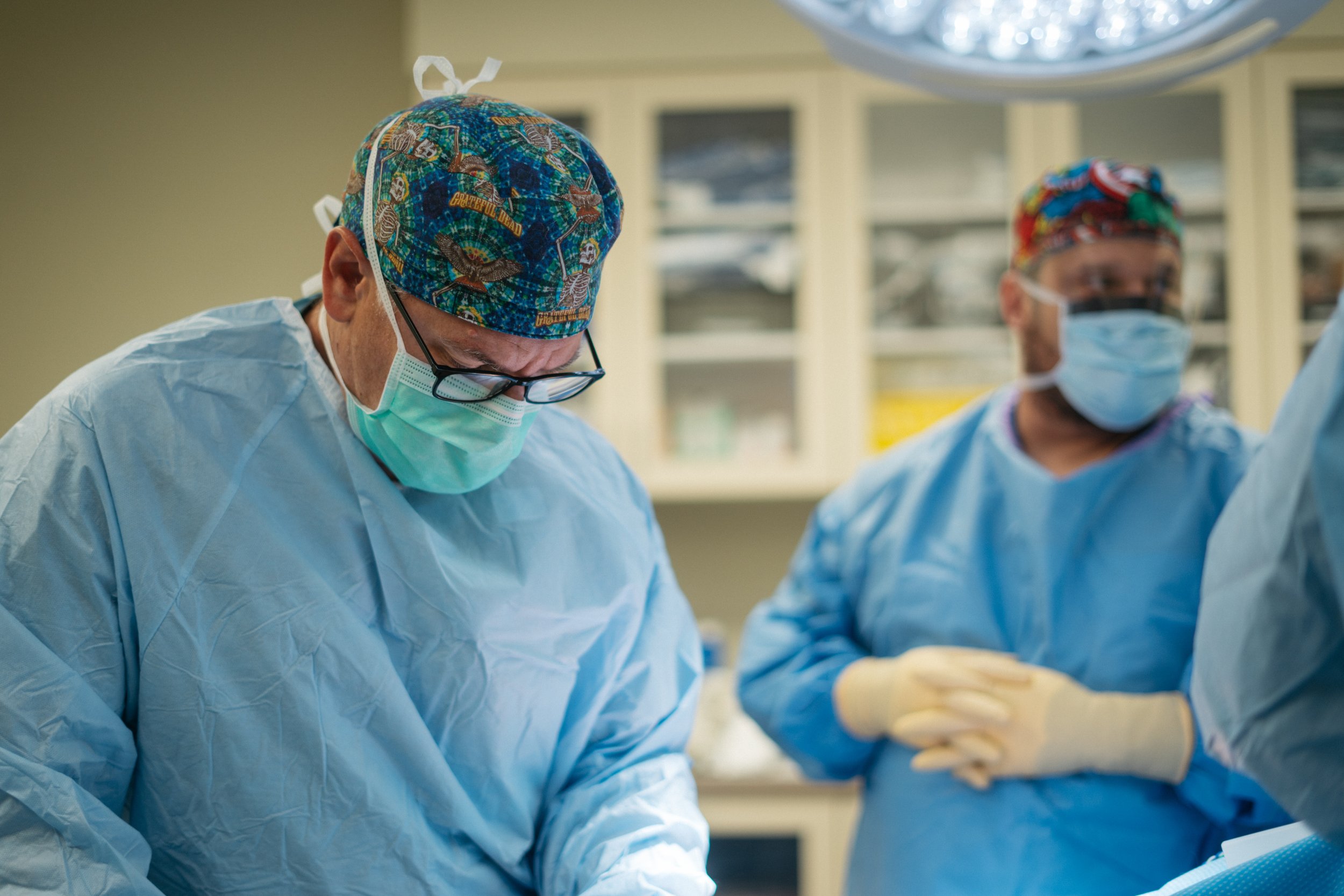
Total Shoulder Replacement follows a structured process to ensure the best possible outcome. While each patient’s needs are unique, surgery generally includes the following steps:
Preoperative Evaluation - Your orthopedic specialist reviews your medical history, examines your shoulder, and orders imaging to plan the procedure.
Anesthesia - General anesthesia or regional nerve block is used to ensure comfort throughout the surgery.
Removal of Damaged Bone - The surgeon removes the worn or arthritic surfaces from the ball and socket of the shoulder joint.
Placement of Implants - A metal ball and stem are placed into the upper arm bone, and a durable socket implant is secured to the shoulder blade to restore smooth movement.
Closing the Incision - Once the implants are positioned, the incision is closed and a dressing is applied to protect the area as healing begins.
Recovery After Total Shoulder Replacement
Recovery is a gradual process, and understanding the timeline helps patients know what to expect during each stage of healing.
Initial Healing Period - Pain improves significantly during the first few days and weeks as swelling decreases and tissues begin to recover.
Sling Use - A sling is typically worn for several weeks to protect the shoulder and support early healing.
Gradual Return of Movement - Patients begin gentle motion exercises to restore flexibility under the guidance of their orthopedic team.
Strengthening Phase - As healing progresses, strengthening exercises are introduced to rebuild shoulder stability and function.
Typical Recovery Timeline - Most patients notice significant improvement by 6 weeks, increased strength by 3 months, and continued progress up to 6 months or longer.
Choosing the right type of Total Shoulder Replacement is essential for restoring strength, reducing pain, and helping you return to the activities you enjoy.
Hear a Real Total Shoulder Replacement Success Story
This patient wasn't able to live her life to the fullest due to her debilitating shoulder pain – until Dr. Burns helped her find relief through a successful shoulder replacement.
Now pain-free, she is living life to the fullest! watch the video to hear the full story!
Our Locations
-

Alamo Heights
Address: 423 Treeline Park, Suite 350, San Antonio, TX 78209
-

Westover Hills
Address: 11212 State Highway 151, Medical Plaza 1, Suite 200, San Antonio, TX 78251
-

Medical Center
ADDRESS: 2833 Babcock Rd, Tower 2, Suite 435, San Antonio, TX 78229
-

Boerne
ADDRESS: 138 Old San Antonio Rd, Suite 302, Boerne, TX 78006
-

Castroville
Address: 346 County Road 4712, Castroville, TX 78009
-

Piedras
ADDRESS: 4100 E. Piedras, Suite 165, San Antonio, TX 78228
-

Schertz
Address: 6051 FM 3009, Suite 260, Schertz, TX 78154
-
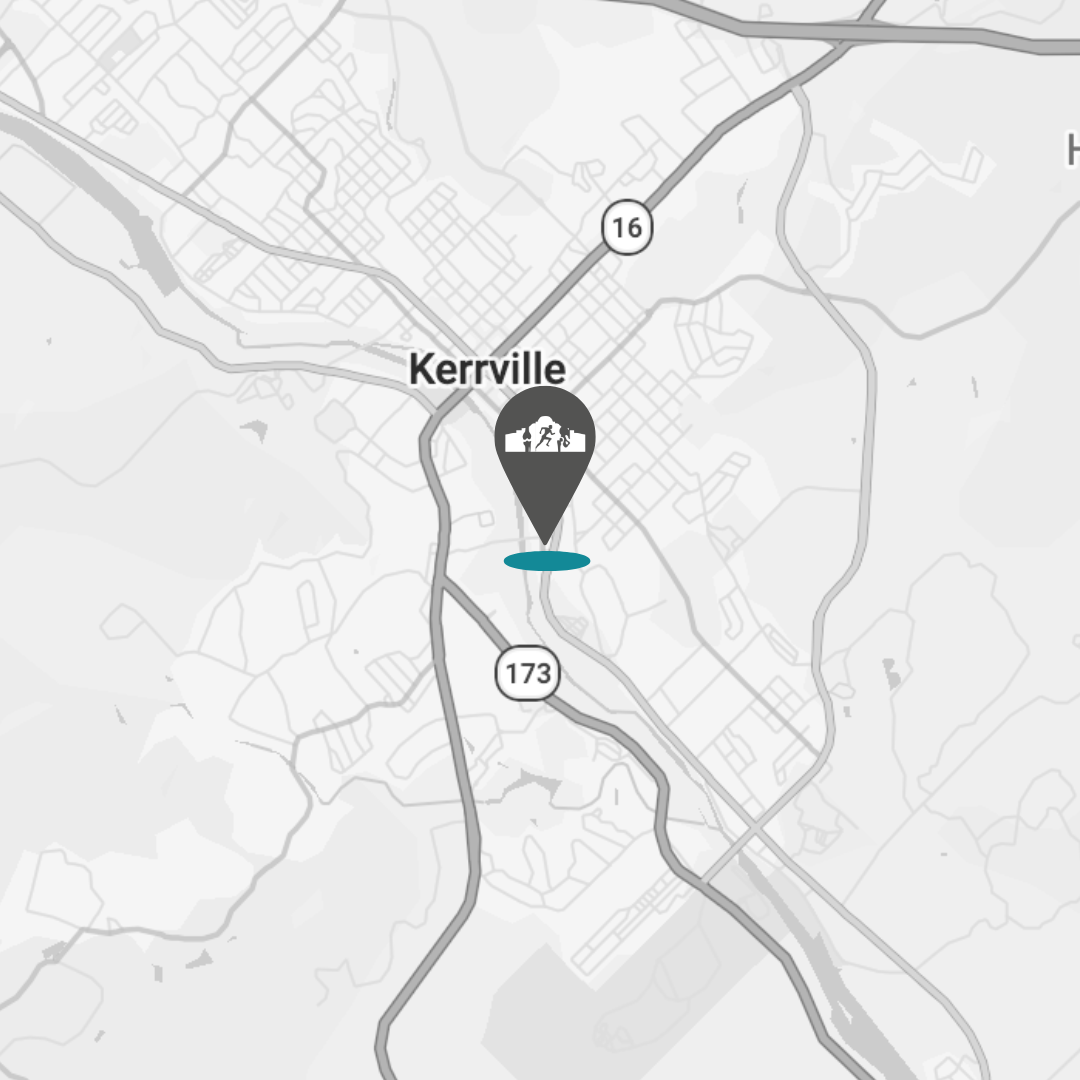
kerrville
Address: 1001 Water Street, Suite E100, Kerrville, Texas 78028
Ready to Schedule your TOTAL shoulder replacement?