
Muscle tears are one of the most common injuries seen in athletes of all levels, from weekend warriors to competitive professionals. Whether it happens during a sprint, lift, or sudden change in direction, a torn muscle can sideline you quickly if not treated properly.
Understanding the types of muscle tears, how they occur, and the best treatment for muscle tear injuries can help you recover faster and reduce your risk of reinjury.
What Is a Muscle Tear?
A muscle tear, also known as a muscle strain, occurs when muscle fibers are overstretched or torn. This can happen suddenly during high-intensity activity or gradually from overuse.
Muscle tears are typically classified into three grades:
Grade I (Mild): A small number of fibers are damaged with minimal loss of strength
Grade II (Moderate): Partial tear with noticeable weakness and swelling
Grade III (Severe): Complete rupture of the muscle, often requiring surgical repair
Common Muscle Tears in Athletes
Certain muscle groups are more prone to injury due to the demands placed on them during sports.
Hamstring Tears
Hamstring injuries are especially common in sports that involve sprinting, such as football, soccer, and track. These tears often occur during explosive movements or sudden acceleration.
Quadriceps Tears
The quadriceps muscles in the front of the thigh can tear during jumping, kicking, or sudden stops. These injuries are frequently seen in basketball and soccer players.
Calf Muscle Tears
Calf strains, sometimes referred to as “tennis leg,” often occur during quick push-off movements. Athletes may feel a sudden sharp pain in the back of the lower leg.
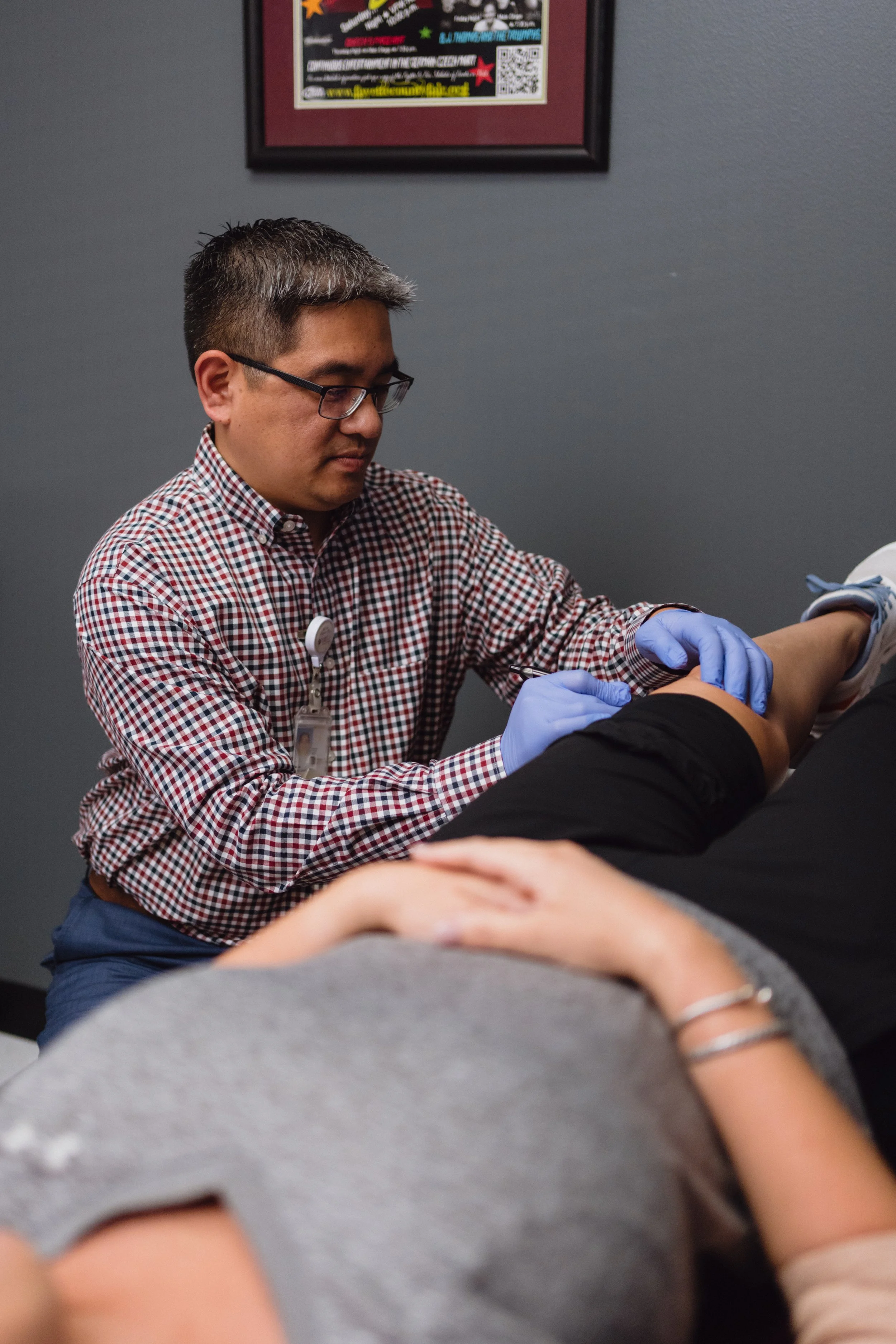
Groin (Adductor) Tears
Groin injuries are common in sports that require lateral movement, such as hockey, soccer, and basketball. These can be particularly frustrating due to their tendency to linger.
Rotator Cuff Tears
In overhead athletes like baseball pitchers or swimmers, the shoulder muscles can become strained or torn over time due to repetitive motion.
Symptoms of a Torn Muscle
The symptoms of a torn muscle can vary depending on the severity of the injury, but common signs include:
Sudden, sharp pain during activity
Swelling or bruising
Muscle weakness
Limited range of motion
A popping sensation at the time of injury
If symptoms persist or worsen, it is important to seek evaluation from an orthopedic specialist.
Treatment for Muscle Tear Injuries
The right treatment for muscle tear injuries depends on the severity of the tear, the muscle involved, and the athlete’s activity level. Early intervention is key to promoting proper healing.
Non-Surgical Treatment Options
Most muscle tears can be treated without surgery using a combination of the following:
Rest and Activity Modification
Avoiding activities that aggravate the injury allows the muscle to begin healing.
Ice and Compression
Applying ice and using compression can help reduce swelling and inflammation in the early stages.
Elevation
Keeping the injured area elevated when possible can minimize swelling.
Physical Therapy
A structured rehabilitation program helps restore strength, flexibility, and function. This is a critical part of treatment for torn muscle recovery.
Anti-Inflammatory Medications
These may be recommended to help manage pain and swelling.
Advanced Non-Surgical Treatments
In some cases, additional therapies may be recommended to support healing:
Regenerative medicine treatments such as PRP injections
Guided rehabilitation programs tailored to athletes
Bracing or supportive devices for stabilization
Surgical Treatment for Torn Muscle
Severe Grade III muscle tears, especially complete ruptures, may require surgical repair. Surgery is typically considered when:
There is a complete muscle rupture
The muscle has retracted significantly
Non-surgical treatment has failed
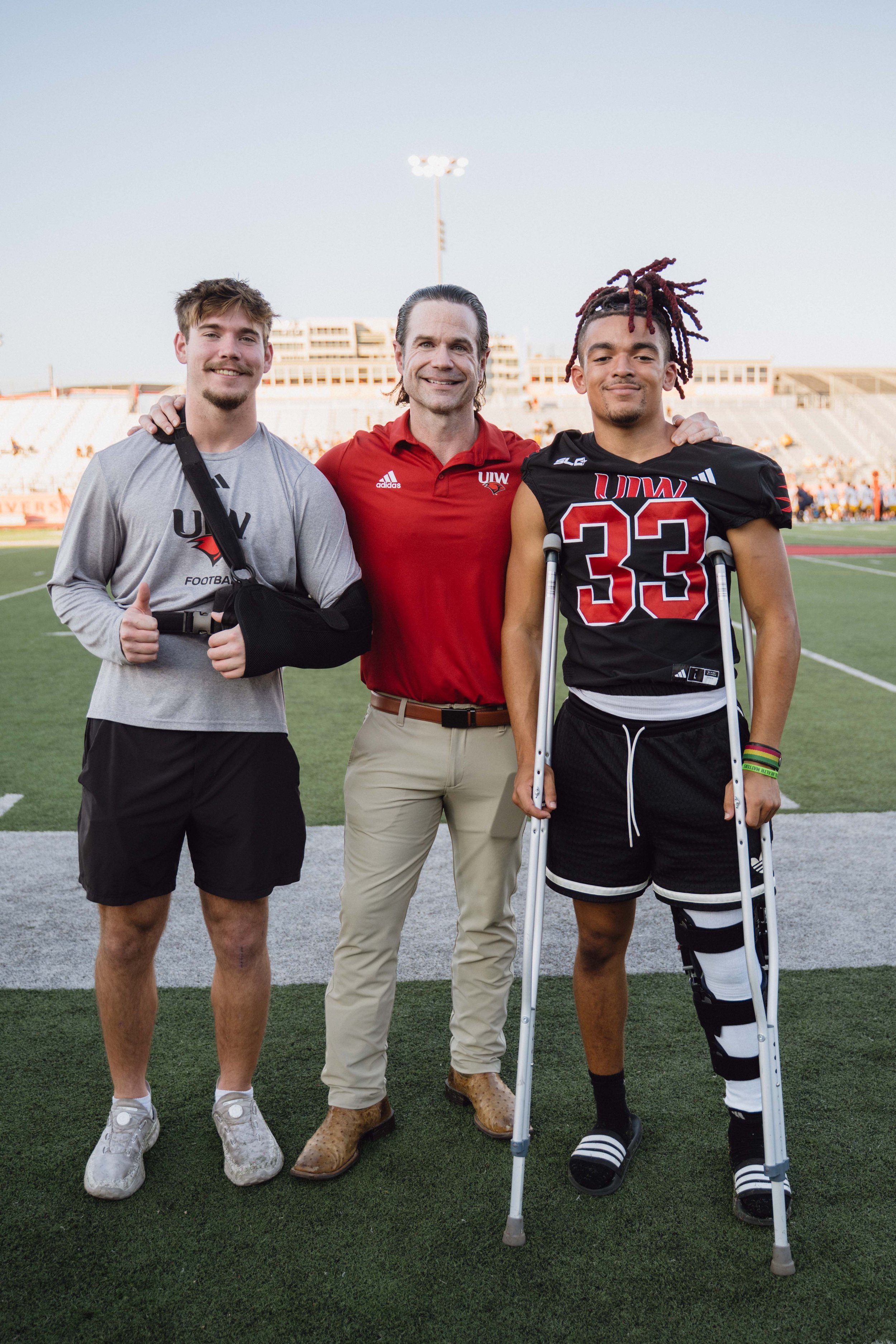
Following surgery, a carefully guided rehabilitation program is essential to regain strength and return to sport safely.
Recovery and Return to Play
Recovery time varies depending on the severity of the injury:
Mild strains may heal within a few weeks
Moderate tears can take several weeks to a few months
Severe tears may require several months of recovery, especially after surgery
Returning to sports too early increases the risk of reinjury. A gradual, supervised return-to-play plan ensures the muscle is fully healed and ready for activity.
When to See an Orthopedic Specialist
While some minor strains improve with rest, more serious injuries should be evaluated promptly. You should seek care if you experience:
Severe pain or inability to move the muscle
Significant swelling or bruising
A visible deformity
Recurrent muscle injuries
At Ortho San Antonio, our team specializes in diagnosing and providing effective treatment for torn muscle injuries, helping athletes return to peak performance as safely and efficiently as possible.
Ready to Get Back in the Game Without Pain?
If you are dealing with a muscle injury, early evaluation can make all the difference in your recovery. The specialists at Ortho San Antonio offer advanced treatment for muscle tear conditions tailored to your activity level and goals.
Schedule an appointment today to get back to doing what you love with confidence.